Collaborators
Plus Ultra Collective brings together scholars, educators, technologists, cultural heritage professionals, and public-humanities practitioners whose work advances understanding of intercultural and interreligious exchange across time and place. Our collaborators work across history, literature, manuscript studies, digital humanities, public history, immersive media, artificial intelligence, translation, archives, pedagogy, and cultural heritage. This directory highlights the people, institutions, regions, and areas of expertise that make PUC a collaborative research and public knowledge network dedicated to making complex histories more accessible, connected, and useful for scholars, students, partners, and wider publics.
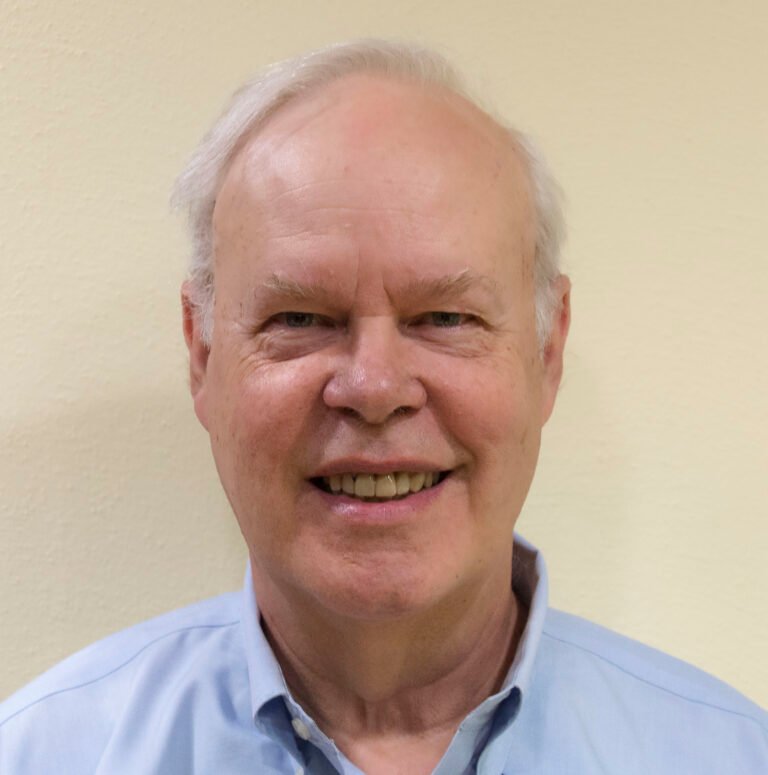
James (Jim) W. Cortada
James W. Cortada is affiliated with the Charles Babbage Institute at the University of Minnesota–Twin Cities. His work connects the history of computing, information systems, organizations, and technology with broader questions about knowledge, institutions, and public understanding. Within Plus Ultra Collective, his profile contributes to conversations about digital history, technological change, and the long histories of information infrastructure that shape research, education, and cultural memory.
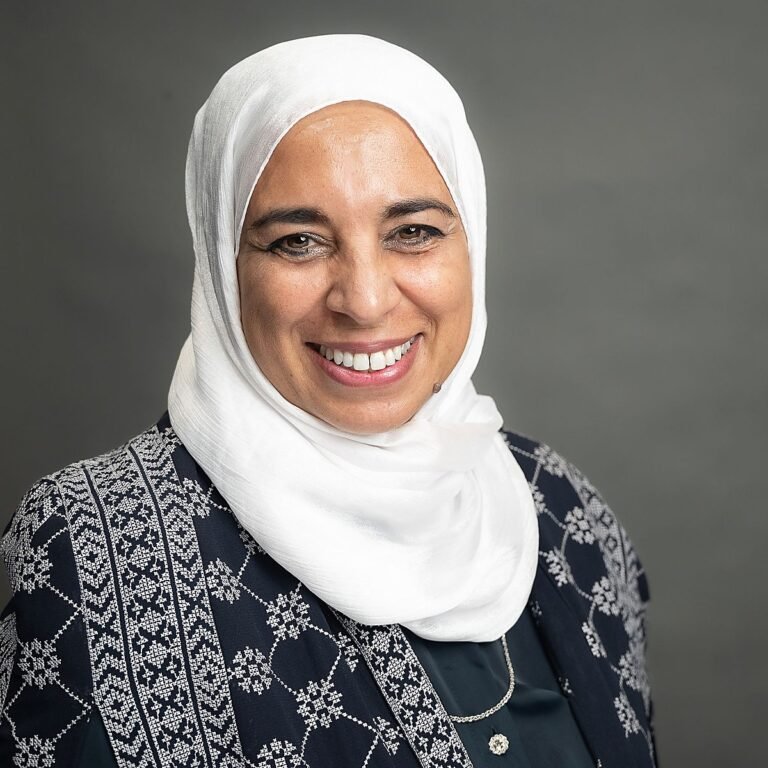
Hadeer Aboelnagah
Hadeer Aboelnagah is Professor of English and Translation; Director of the Translation and Authoring Center at Prince Sultan University. She is the Director of the Translation and Authoring Center. She is a Principal fellow at the Higher Education Academy UK. Aboelnagah, established international academic reputation through teaching at State University of New York, University of Ottawa, Carleton University in Canada and Middlebury College. Her research interests include; post-colonial and ethnic literature, digital humanities, Middle- Eastern culture and literature, and post MT editing in Arabic. Their interests include intercultural and interreligious exchange, colonialism, empire, and decolonization, women studies and translation. Within PUC, their profile connects to archives, pedagogy, digital humanities, translation, cultural heritage.
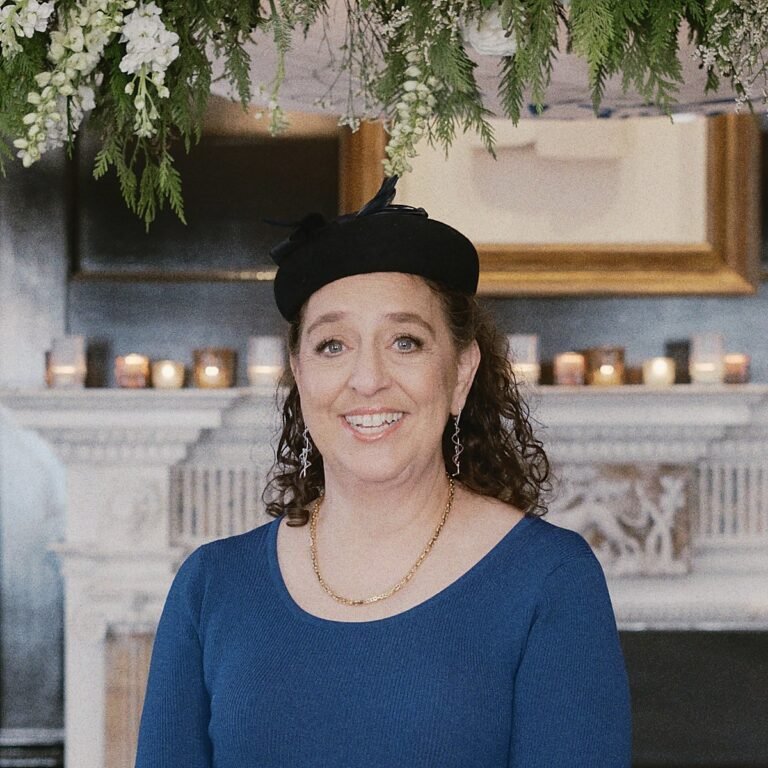
Drora Arussy
Drora Arussy is Executive Director at Jewish Unity Through Diversity. Her research and educational programs focus on multi-cultural and cross-cultural impacts across the Jewish world and with their neighbors. Drora is the co-editor of Jews and Muslims in Morocco: Their Intersecting Worlds and Aden: Social, Cultural, and Communal Histories of a Multicultural Port, and author of Leah Nassi of Lisbon: A Historical Novel. Her current research focuses on the Jewish community of Sana'a Yemen in the first half of the 20th century. Their interests include intercultural and interreligious exchange, migration, diaspora, and mobility, religious and intellectual history, identity, race, and ethnicity in historical contexts. Within PUC, their profile connects to vr/xr, public.
Maddalena Bellavitis
Maddalena Bellavitis is Researcher and Faculty Member at C2RMF and Università degli Studi di Udine. Doctor Europaeus (2007), after a Marie Curie Fellowship, I divide my museum and academic career between the Center for Research and Restoration of the Museums of France and the Università degli Studi di Udine. My research interests are extremely varied, ranging from the European art and culture of the Middle Ages to the Early Modern Colonialism. Their interests include intercultural and interreligious exchange, colonialism, empire, and decolonization, trade, economy, and global networks, science, knowledge, and technology transfer, cultural heritage and material culture, identity, race, and ethnicity in historical contexts, memory, myth, and public history. Within PUC, their.
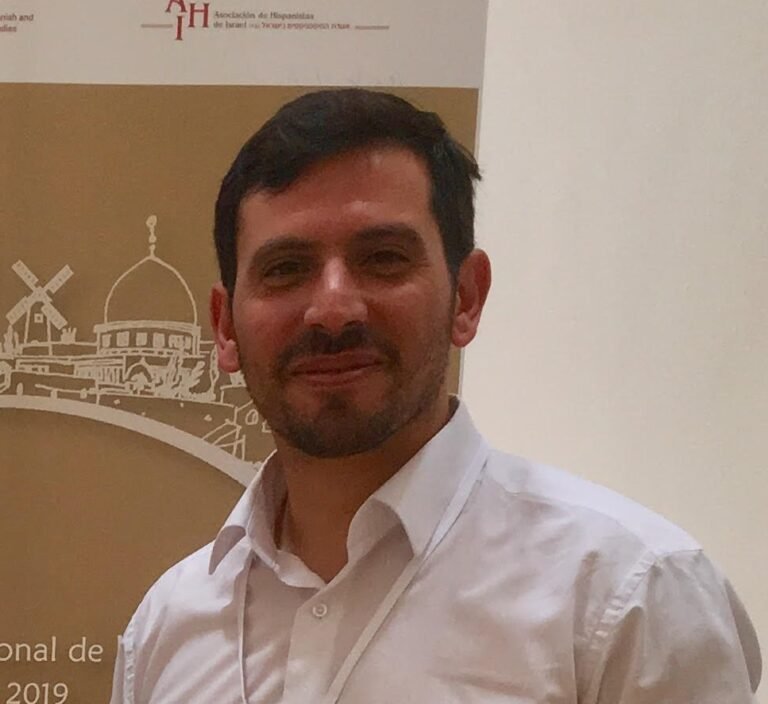
Shai Cohen
Shai Cohen is Senior Lecturer; Director, Modern Languages Laboratory and Media Center at University of Miami. His research spans the legal and cultural intersections between communities in Spain, with a particular focus on the converso experience; political satire in 17th-century Spain; and Sephardi studies of migration, memory, and identity. He leads the Sephardi Spaces project, which maps historical and contemporary trajectories of Sephardic migration and identity across the globe. Cohen also develops XR and AI tools for heritage preservation, designing immersive exhibitions and digital platforms that bring historical narratives into the present. Within PUC, their profile connects to ai, vr/xr, mapping, public history, translation, cultural heritage.
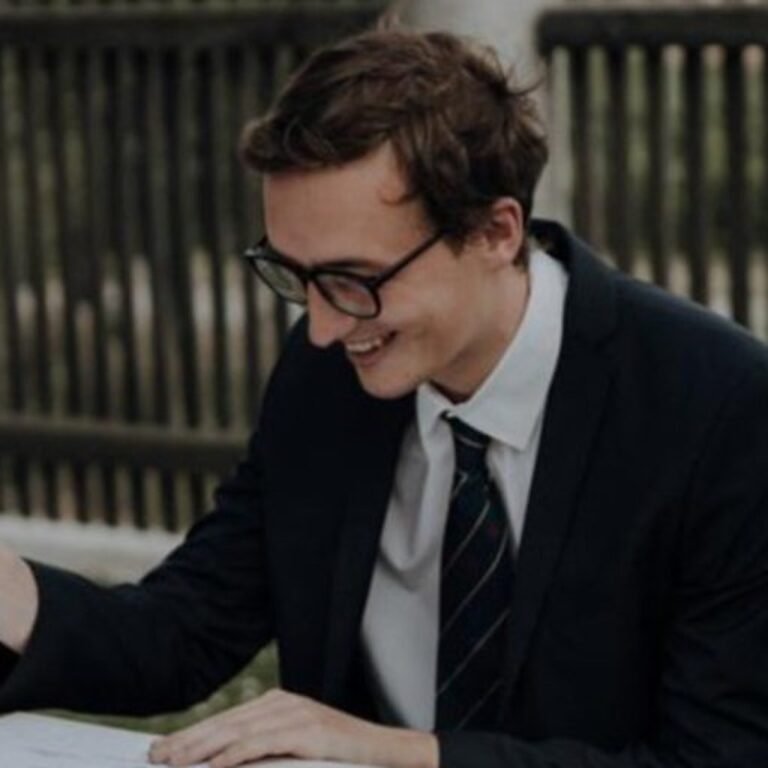
Paul Csillag
Paul Csillag is Historian; Postdoctoral Researcher at Innsbruck University. Paul Csillag is a historian of imperialism, historical fiction, and the Mediterranean. He obtained his PhD at the European University Institute and studied at the universities of Innsbruck, Jean Jaurès (Toulouse), and Yeditepe (Istanbul). Furthermore, he has taught courses on historical narratives at the universities of Sciences Po, Regensburg, Florence, Salzburg, Monash, and Innsbruck. Currently, he is supporting the Justman-Project as its coordinator and teaching at the Institute of History and European Ethnology at the University of Innsbruck. Their interests include migration, diaspora, and mobility, colonialism, empire, and decolonization, identity, race, and ethnicity in historical contexts, memory, myth, and public history. Within PUC.
Andrea Davis
Andrea Davis is Associate Professor of History at Arkansas State University. Specializing in the urban social movements, memory cultures, and digital heritage of modern Spain, she directs Voices, Narratives, and Memories of Francoism, collaborates on the Virtual Museum of the Spanish Civil War, and co-organizes the international working group Towards a Spanish Civil War and Francoist Repression Digital Research Infrastructure. Andrea has also served as a Community Lead for the Digital Humanities Research Institute (2018-2019) and General Editor for the Bulletin for Spanish and Portuguese Historical Studies (2019-2022), where she co-edited special issues on "Digital Humanities" (2018) and "Iberia in Entangled and Transnational Contexts" (2019). Their interests include cultural heritage and material.
Thomas Devaney
Thomas Devaney is Associate Professor of History at the University of Rochester. His work engages medieval and early modern Iberian and Mediterranean worlds, with attention to intercultural and interreligious exchange and religious and intellectual history. Within PUC, his profile supports collaborative research, programs, and mentoring around premodern histories of contact, conflict, and coexistence.
Fernando Feliu-Moggi
Fernando Feliu-Moggi is Professor of Spanish at University of Colorado Colorado Springs. He earned his PhD in Hispanic Cultural Studies from the University of Pittsburgh. His research and teaching encompass Latin American, Spanish, and Italian cinema, with a focus on regions such as Mexico, Cuba, and Argentina. Feliu-Moggi is a member of the European Academy of Sciences and Arts and serves as President of the Miguel Angel Asturias Society, an international academic organization dedicated to Guatemalan cultural production since the 1920s. Within PUC, their profile connects to pedagogy, cultural heritage.
Luis García-Vela
Luis García-Vela is Graduate Researcher at University of Zaragoza (Spain). With a bachelor’s in Hispanic literature and Linguistics (University of Zaragoza, 2024) he has participated in various conferences in Spain (Salamanca, Granada, Zaragoza...) and in the United States (University of North Carolina at Chapel Hill). He is a member of the PSA (Postcolonial Studies Association), the ICLA (International Comparative Literature Association), the CEAH (Centro de Estudios Afrohispánicos), and the Mediterranean Seminar (University of Colorado at Boulder). Their interests include intercultural and interreligious exchange, migration, diaspora, and mobility, colonialism, empire, and decolonization, cultural heritage and material culture, religious and intellectual history, identity, race, and ethnicity in historical contexts, memory, myth, and public history..
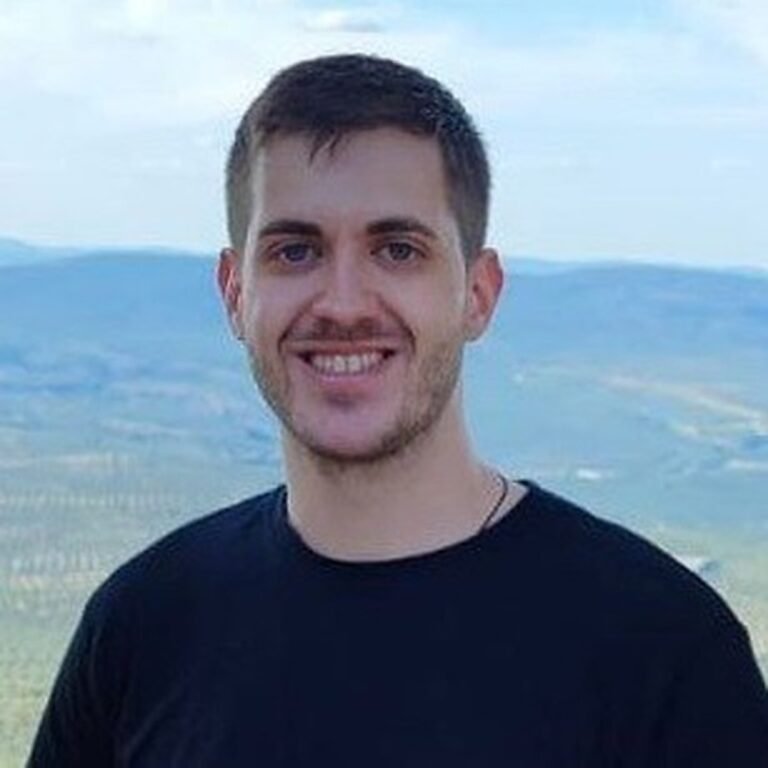
Alfonso García Sánchez
Alfonso García Sánchez is PhD Student in Geography and History at Carlos III university. A graduate in Geography and History (University of Jaén) with a Master's Degree in Compulsory Secondary Education and Baccalaureate Teaching, Vocational Training and Language Teaching (University of Jaén) and a Master’s Degree in the Science of Religions: History and Society (ULL, UC3M, and UPO). He is currently a pre-doctoral fellow and PhD candidate in Humanities at the Carlos III University of Madrid. Their interests include religious and intellectual history, identity, race, and ethnicity in historical contexts, memory, myth, and public history. Within PUC, their profile connects to ai, mapping, manuscripts, public history, pedagogy, digital humanities.
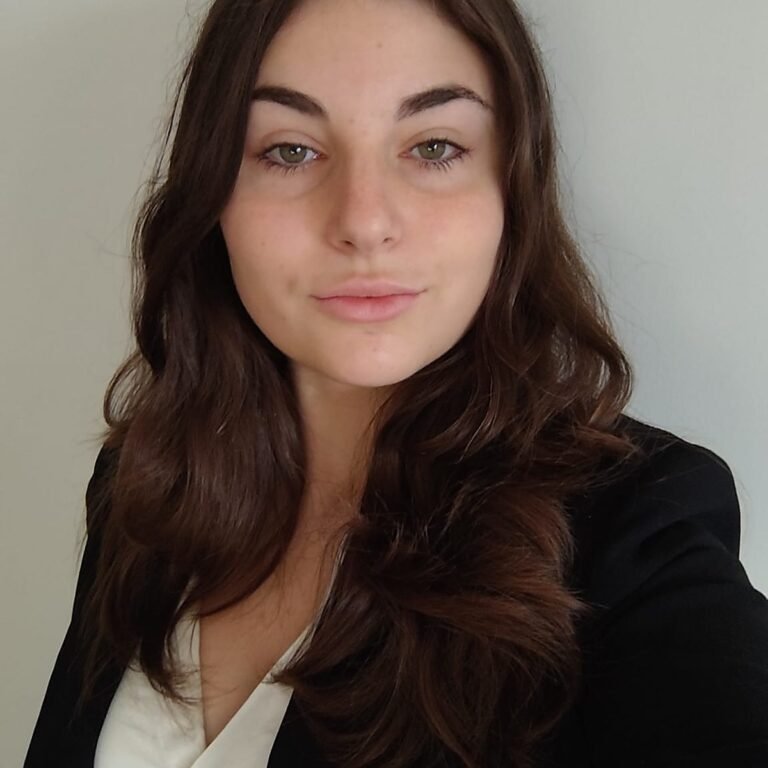
Marina Gómez Rey
Marina Gómez Rey is Generative AI Specialist at UC3M. Since then, she has built her expertise in this field, working in both the private and public sectors on projects such as BADDO, which intents to overcome the barries between history and AI. A history enthusiast with a particular love for ancient history and archaeology, Marina took a course in Roman archaeology during her Erasmus in Rome. Their interests include intercultural and interreligious exchange, cultural heritage and material culture, memory, myth, and public history. Within PUC, their profile connects to ai, mapping, manuscripts, public history, pedagogy, digital humanities.
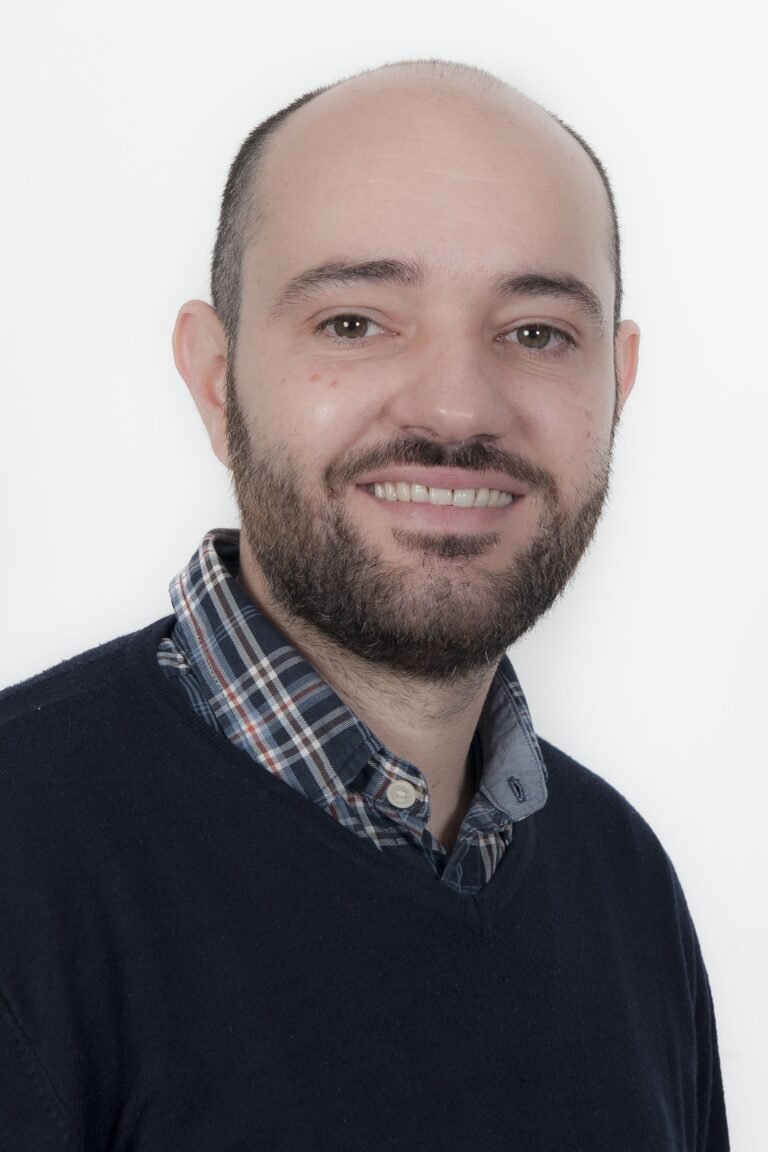
Rubén González Cuerva
Rubén González Cuerva is Permanent Scientist at CSIC. He has been postdoctoral fellow at the National University of Salta (Argentina), Marie Curie Fellow at the German Historical Institute of Rome, Juan de la Cierva Postdoctoral Researcher at the CSIC, and associate lecturer at the Autonomous University of Madrid and the Complutense University. Currently, he directs the DIPLOINMED project (awarded by the Spanish National Research Agency), which analyses cross-confessional and global diplomacy in the sixteenth and seventeenth centuries as well as the establishment of diplomatic relations between the Spanish Monarchy and Muslim polities. Their interests include intercultural and interreligious exchange, colonialism, empire, and decolonization, cultural heritage and material culture, diplomatic history. Within PUC.
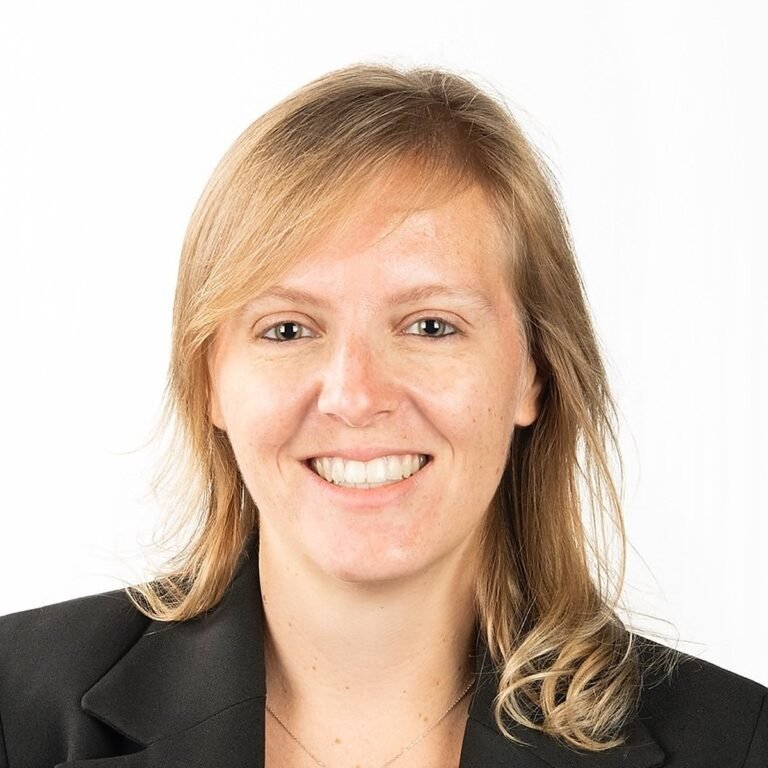
Estelle Guéville
Estelle Guéville is Curator and PhD Candidate in Medieval Studies at Yale University. She previously graduated in History, Art History and the Management of Cultural Heritage from Université Paris 1 Panthéon Sorbonne. Before joining Yale, she worked for several cultural institutions in France and the Gulf, including the Louvre Abu Dhabi, the Bibliothèque nationale de France and the Musée national du Moyen Age – Thermes de Cluny in Paris. Their interests include intercultural and interreligious exchange, cultural heritage and material culture, religious and intellectual history, identity, race, and ethnicity in historical contexts, memory, myth, and public history. Within PUC, their profile connects to ai, mapping, manuscripts, archives, public history, pedagogy.
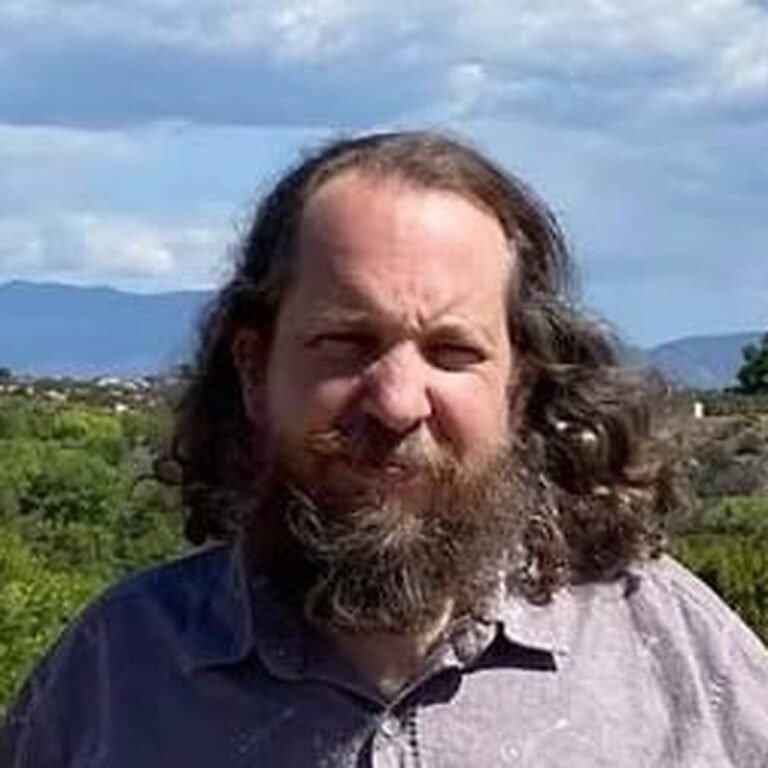
Gavin H. Rogers
Gavin H. Rogers is a doctoral student at the University of New Mexico specializing in Jewish life in the Iberian Peninsula. He also investigates historical network formations at the intersection of economics and the environment. A recipient of the 2023 International Congress on Medieval Studies Tashjian Award, he contributes to PUC’s work on Iberian history, Jewish studies, networks, and digital approaches to historical evidence.
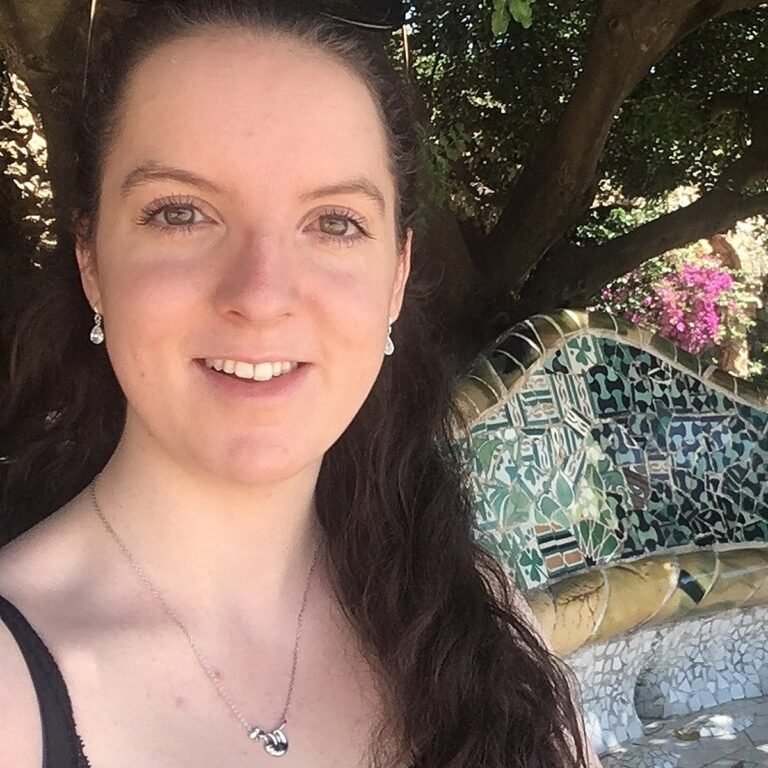
Annabel Hancock
Annabel Hancock is Postdoctoral Associate Member; Visiting Research Scholar at University of Oxford / University of Maryland. She is a historian of trust, trade, movement, identity, and documentary cultures in the Medieval Mediterranean. She is currently working on a book manuscript on Trust in Medieval Trade and planning a new research project exploring how enslaved individuals shaped economic, cultural, and social relationships in the Mediterranean, considering the language used to speak about enslaved people, how the presence of enslaved peoples affected the language of commerce, trust, and risk, and how enslaved individuals took part in the documentary culture of the Crown of Aragon. Their interests include intercultural and interreligious exchange, migration, diaspora.
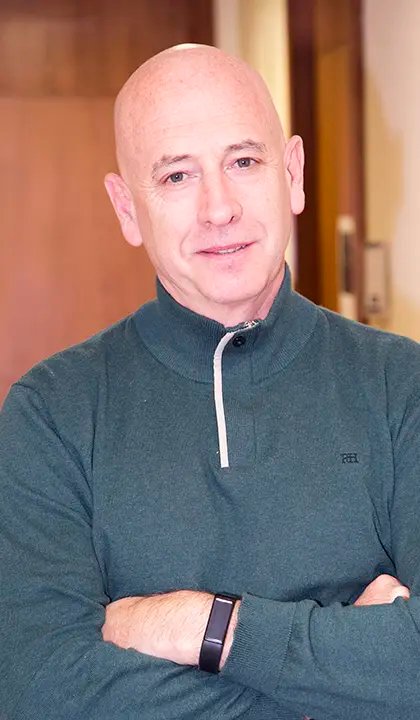
Francisco J. García-Serrano Nebras
Francisco J. García-Serrano Nebras is Faculty Member, Division of Humanities at Saint Louis University–Madrid. García-Serrano is a historian specializing in medieval Iberia and the Mediterranean, with a focus on mendicant orders and national identities. He serves as a faculty member in the Division of Humanities at Saint Louis University's Madrid campus. García-Serrano earned his PhD in History from the University of California, Berkeley. His research encompasses medieval travels, exploration, and the early Iberian presence in Asia.
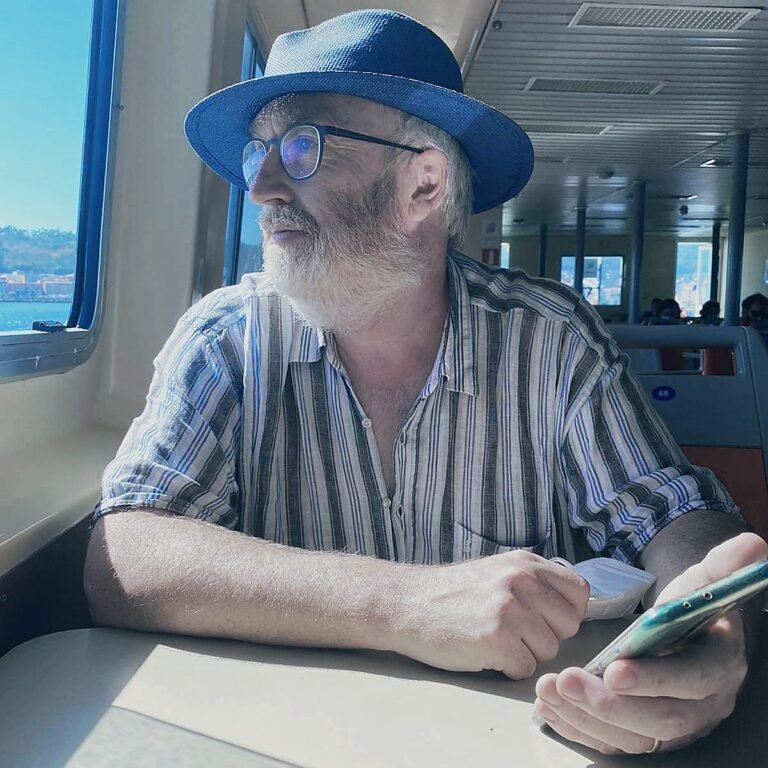
Anthony John Lappin
Anthony John Lappin is Lecturer in Spanish at Stockholms Universitet. He is also enraptured by the theatricality of the Baroque. Their interests include intercultural and interreligious exchange, colonialism, empire, and decolonization, cultural heritage and material culture, legal and inquisitorial history, religious and intellectual history, memory, myth, and public history. Within PUC, their profile connects to manuscripts, public history, pedagogy, digital humanities, translation, cultural heritage. This work supports PUC’s broader effort to connect rigorous scholarship, public access, and cross-border collaboration around histories of cultural and religious difference.
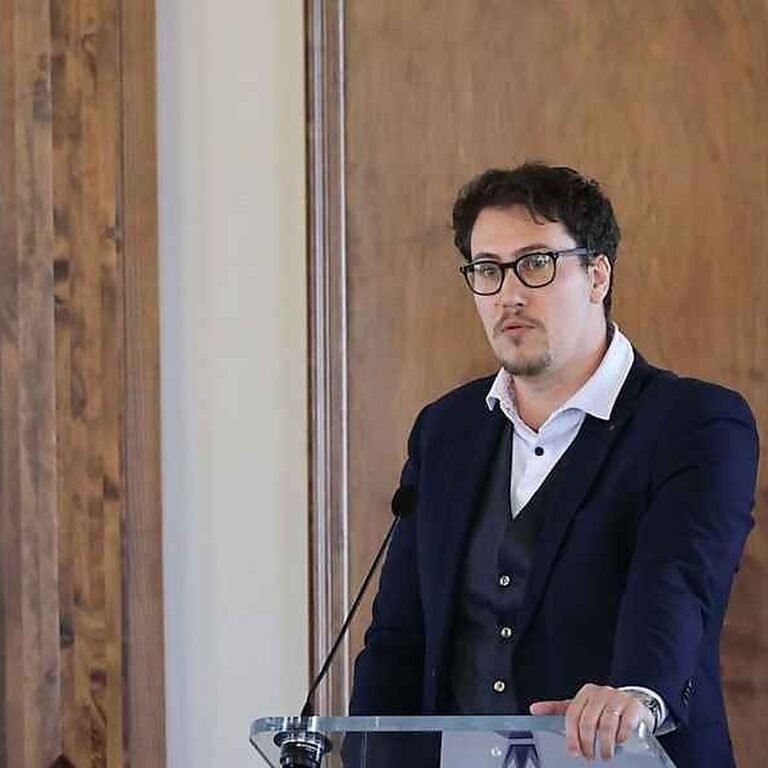
Ondrej Lee Stolicka
Ondrej Lee Stolicka is Lecturer and Historian at The Center for Slavic, Eurasian and East European Studies, The University of North Carolina at Chapel Hill. His research area includes connections between the Spanish court and Central European nobility (for example, the Order of the Golden Fleece). He defended his dissertation, Brandenburg-Prussia between Madrid and Vienna: The Failed Diplomatic Mission of Melchior von Ruck (1676–1680), at Universidad Autónoma de Madrid in 2022. Between 2022 and 2024, he worked on his postdoctoral project, Central European Nobility and the Order of the Golden Fleece during the Reign of Leopold I, at the Institute of History of the Czech Academy of Sciences. Their interests include migration.
Ignacio Lopez
Ignacio Lopez is Professor of Spanish at University of North Carolina at Greensboro. He is the author of Teatro y diplomacia en el Coliseo del Buen Retiro, 1640-1746 (University of Valencia, 2022). He has edited the libretti of two operas by José de Cañizares and Giacomo Facco, Las amazonas de España (1720) and La hazaña mayor de Alcides (1723) (Iberoamericana, 2018). He is the author of the monograph Ilusión áulica e imaginación caballeresca en El cortesano de Luis Milán (UNC Press, 2013). Their interests include literature, court society. Within PUC, their profile connects to pedagogy.
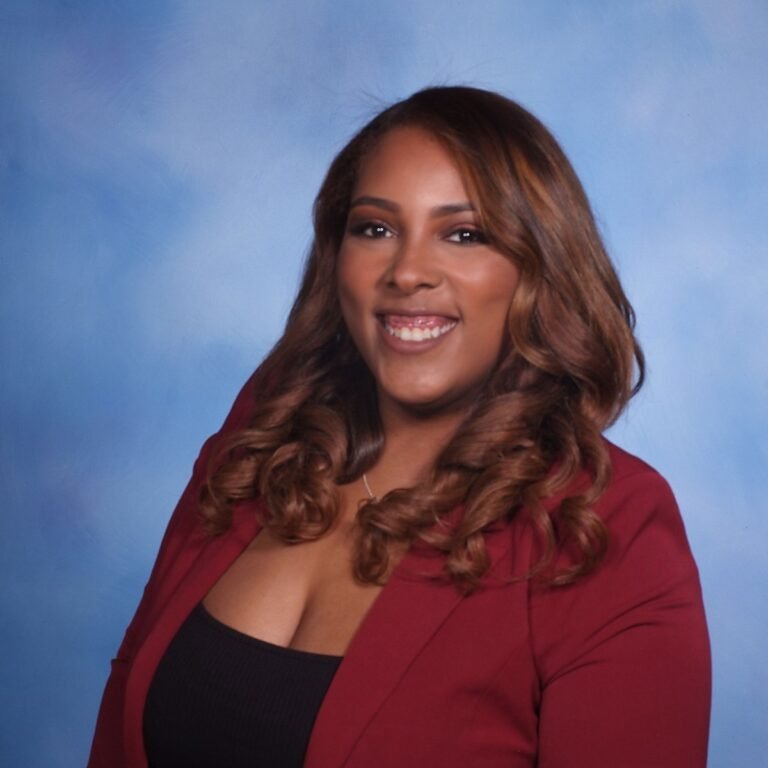
Brittany Lugo
Brittany Lugo is affiliated with Fordham University. Her work contributes to Plus Ultra Collective’s interdisciplinary community through interests in historical research, teaching, and public-facing humanities inquiry. Within PUC, her profile supports the Collective’s broader effort to connect scholars, educators, and learners around questions of cultural exchange, historical interpretation, and collaborative knowledge-making across institutional and disciplinary boundaries.
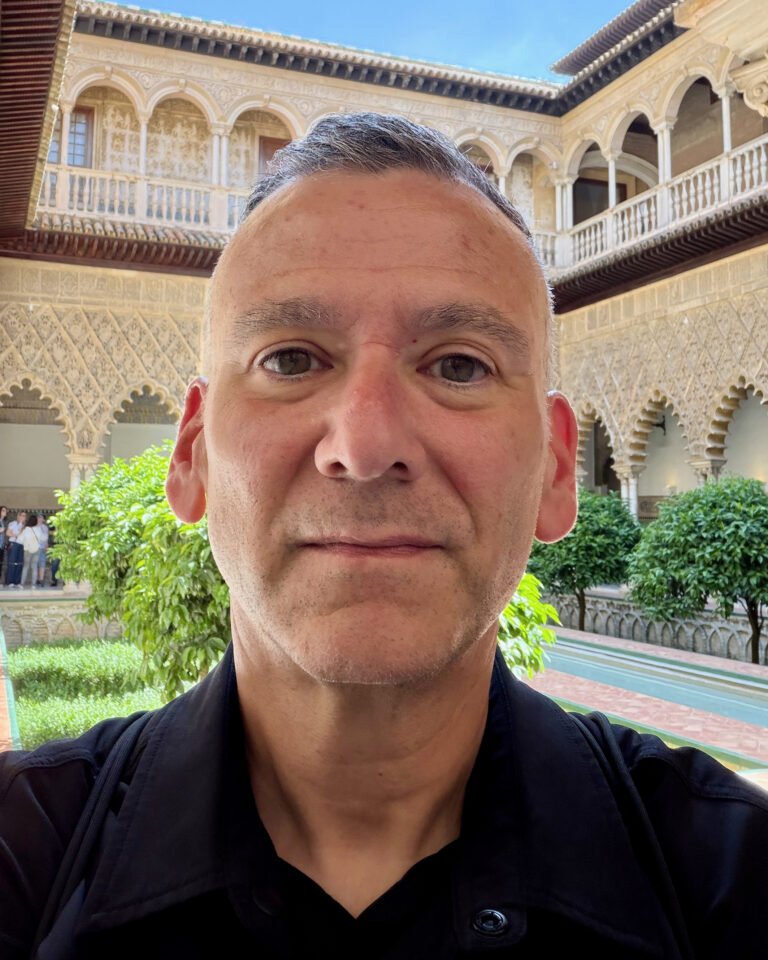
Roger Martínez-Dávila
Roger Martínez-Dávila is Professor of History; Researcher at University of Colorado Colorado Springs; Universidad Carlos III de Madrid. Roger Martínez-Dávila is a historian and digital humanist specializing in medieval Europe and the Mediterranean, focusing on Christian, Jewish, and Islamic interrelations. He earned his PhD in history from the University of Texas at Austin. Notably, he leads the Deciphering Secrets: Unlocking the Manuscripts of Medieval Spain project and co-directed the NEH Immersive Global Middle Ages Advanced Digital Humanities Institute. Their interests include intercultural and interreligious exchange, trade, economy, and global networks, science, knowledge, and technology transfer, religious and intellectual history, identity, race, and ethnicity in historical contexts. Within PUC, their profile connects to.
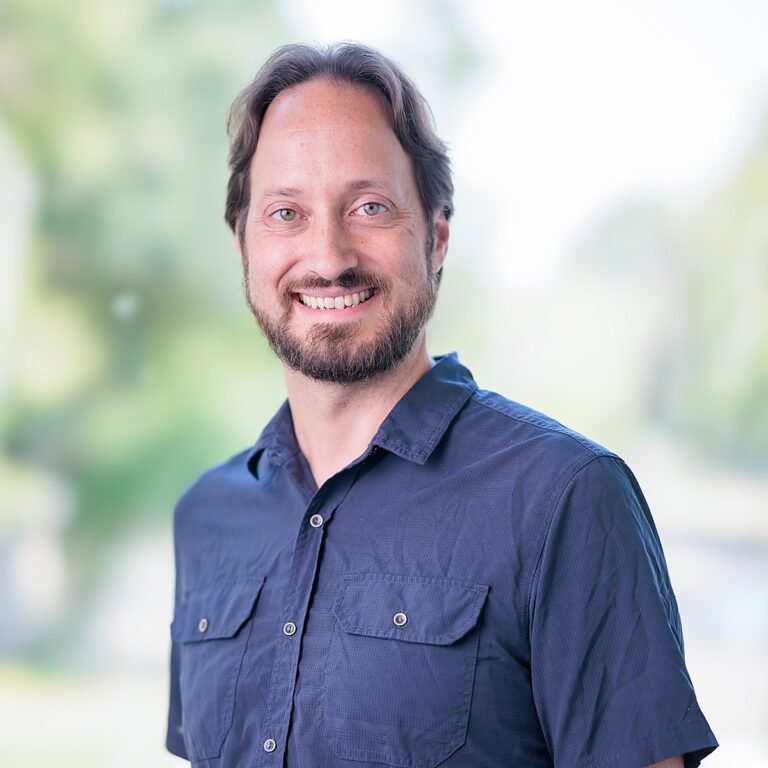
Austin Mason
Austin Mason is Assistant Director of Digital Humanities at Carleton College. He holds a PhD in History from Boston College, with an emphasis on religious history, material culture, archaeology, spatial humanities and the digital humanities, and an M.St. in Medieval British History from Oxford University. His work has been supported by grants from the ACLS, Mellon Foundation, and National Endowment for the Humanities, among others. He is the co-PI for an NEH Digital Humanities Advancement Grant to develop the Virtual Viking Longship Project: A Study in the Future of Liberal Arts Teaching and Research. Their interests include intercultural and interreligious exchange, migration, diaspora, and mobility, trade, economy, and global networks, cultural heritage.
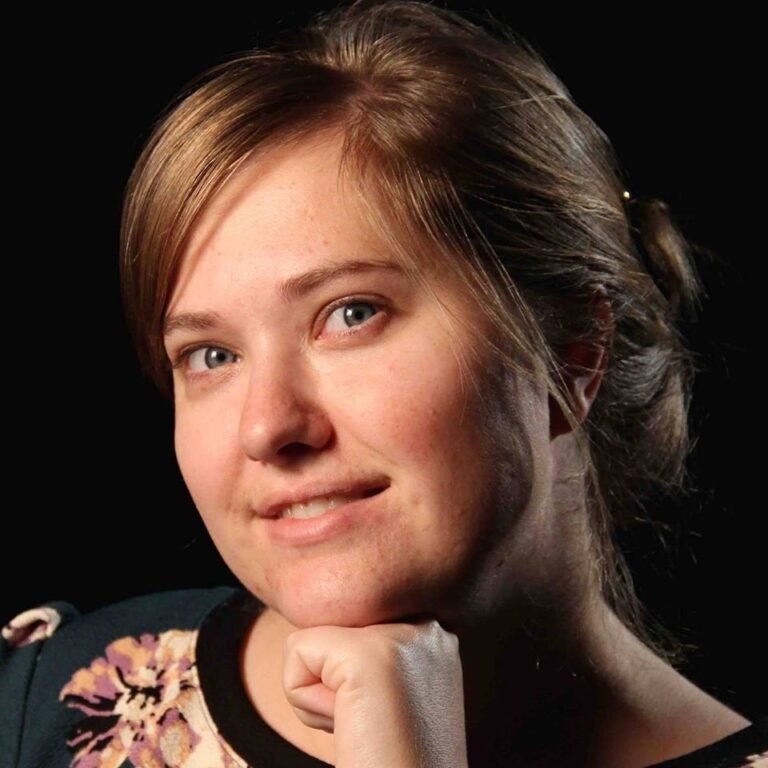
Maureen McGuire
Maureen McGuire is Assistant Professor of Art History at Jacksonville State University. She earned her PhD at the University of California, Santa Cruz. She researches the cultural matronage of elite Late Antique, Byzantine, and Medieval women around the Mediterranean. Their interests include intercultural and interreligious exchange, cultural heritage and material culture, religious and intellectual history, memory, myth, and public history. Within PUC, their profile connects to ai, vr/xr, mapping, manuscripts, archives, public history.
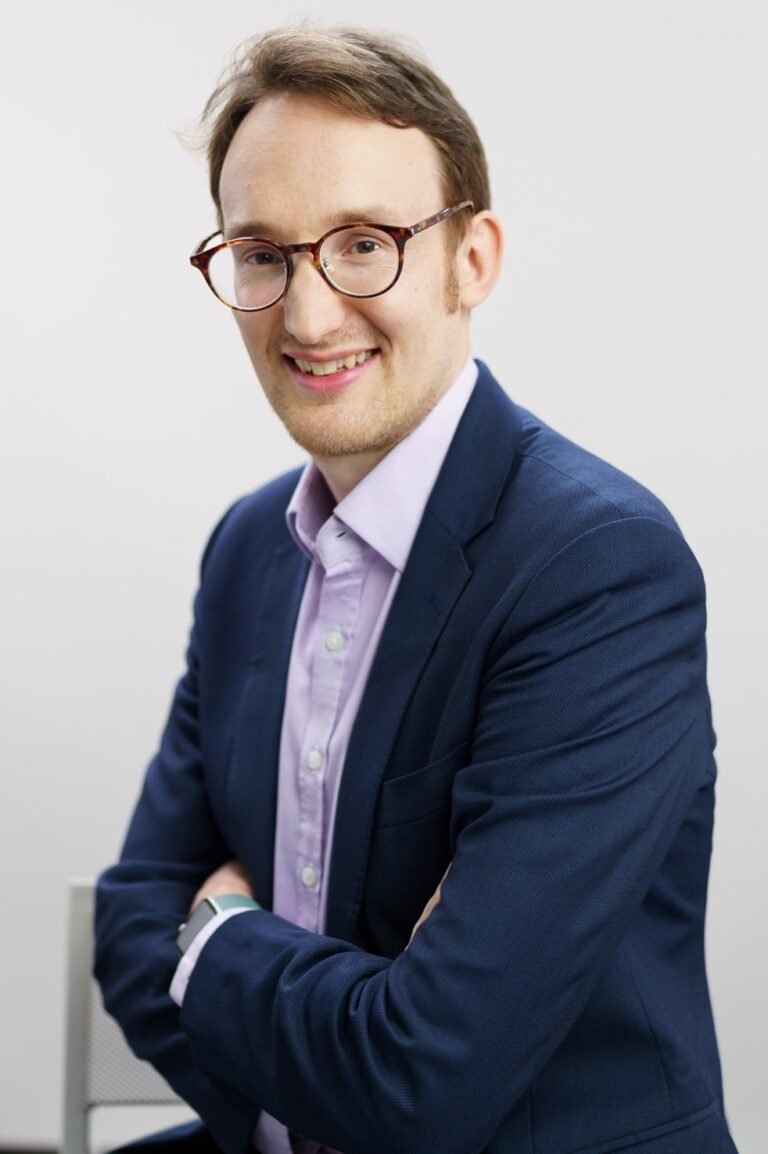
Stuart Michael McManus
Stuart Michael McManus is Scholar of Renaissance Law and Letters at The Chinese University of Hong Kong. McManus is a scholar of Renaissance law and letters in global context. He also has interests in the history of classical scholarship, Chinese humanities and the application of digital tools to historical research, in particular the nascent field of Cross-Cultural Analytics. Their interests include intercultural and interreligious exchange, colonialism, empire, and decolonization, legal and inquisitorial history, religious and intellectual history, identity, race, and ethnicity in historical contexts. Within PUC, their profile connects to vr/xr, mapping, manuscripts, digital humanities, translation, cultural heritage.
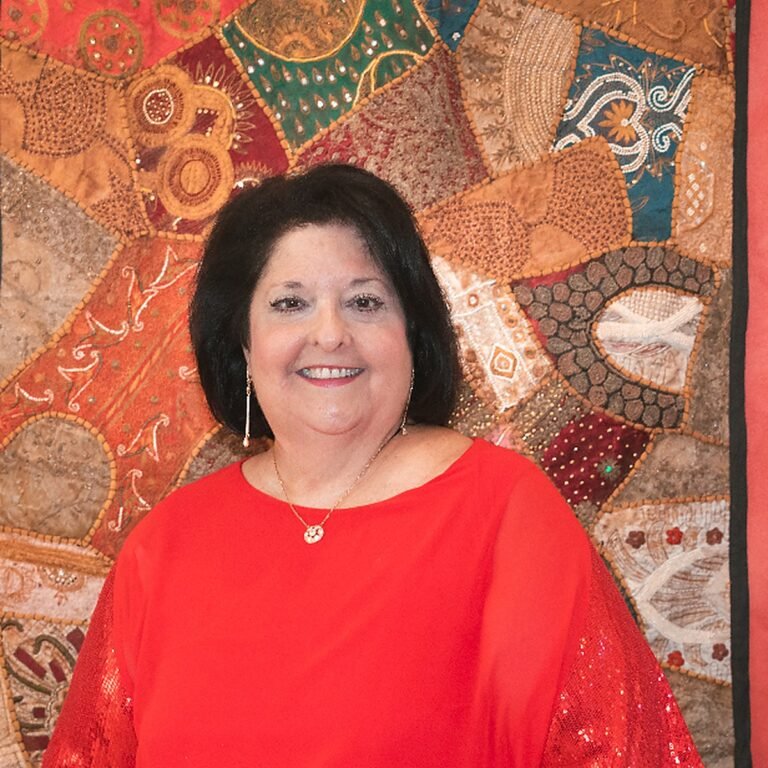
Genie Milgrom
Genie Milgrom is Genealogist, Author, and Global Speaker at Independent Scholar. Genealogist, author and Global Speaker Developed a unique method to trace Jewish Lineages to the 1400s Past President of the Society for Crypto Judaic Studies Past President of the Society of Jewish Genealogy President of Tarbut Sefarad Fermoselle in Barcelona Author of My 15 Grandmothers, How I found my 15 Grandmothers, Pyre to Fire and The Recipes of my 15 Grandmothers all available on Amazon in English and Spanish Speaker at the Knesset on the topic of anusim and speaker at the Press Box at the EU Parliament Winner of the 2015 and 2018 and 2020 Latin Author Book Award Winner.
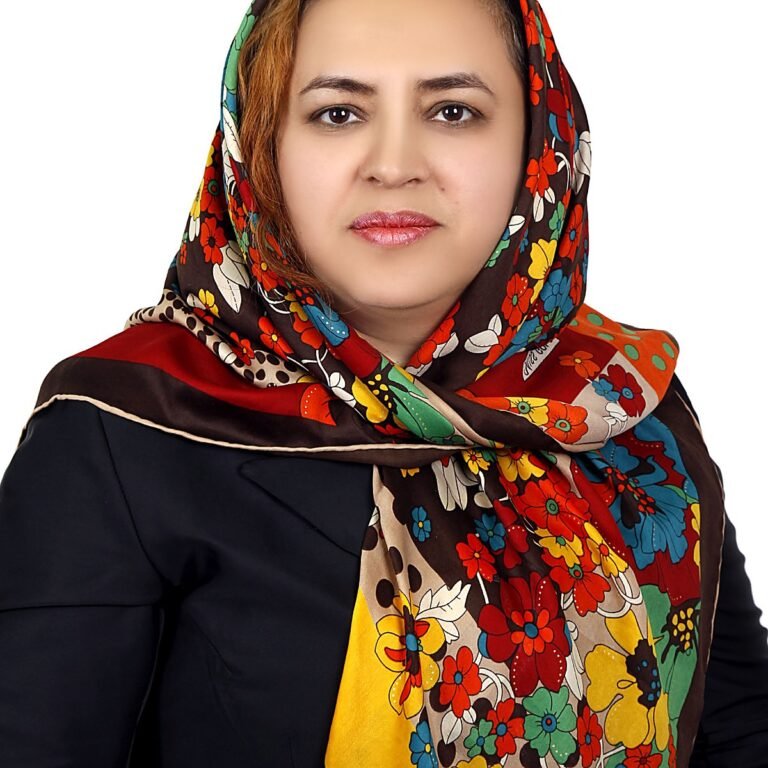
Batoul Mohsenirad
Batoul Mohsenirad is Scholar of Arabic Language, Translation, and Comparative Literature at Independent Scholar. Education: PhD in Arabic Language and Literature, Lebanese University (Specialization: Comparative Literature and Translation) Research Areas: Comparative Literature, Translation Studies, Linguistics, and Manuscript Studies Professional Memberships: Member, Scientific Association for Arabic Language and Literature (Iran) Member, International Association of Arabic Language and Literature (UAE) Member, International Federation of Translators (Dubai) Academic Experience: Supervised over 60 postgraduate theses (Master’s and PhD) Reviewer for numerous research articles and dissertations Publications and Contributions: Book Translation: "We and the Heritage of Persia" by Dr. Their interests include science, knowledge, and technology transfer, cultural heritage and material culture. Within PUC, their profile connects.
Jorge Morato
Jorge Morato is Information Scientist and Digital Humanities Scholar at Universidad Carlos III de Madrid. I hold a PhD in Information Science and have worked for 26 years in a computer science department on various aspects of information. My work includes NLP, accessibility, linked data, metadata, and knowledge organization systems (KOS). Their interests include intercultural and interreligious exchange, science, knowledge, and technology transfer, cultural heritage and material culture, memory, myth, and public history. Within PUC, their profile connects to ai, vr/xr, manuscripts, archives, public history, pedagogy.
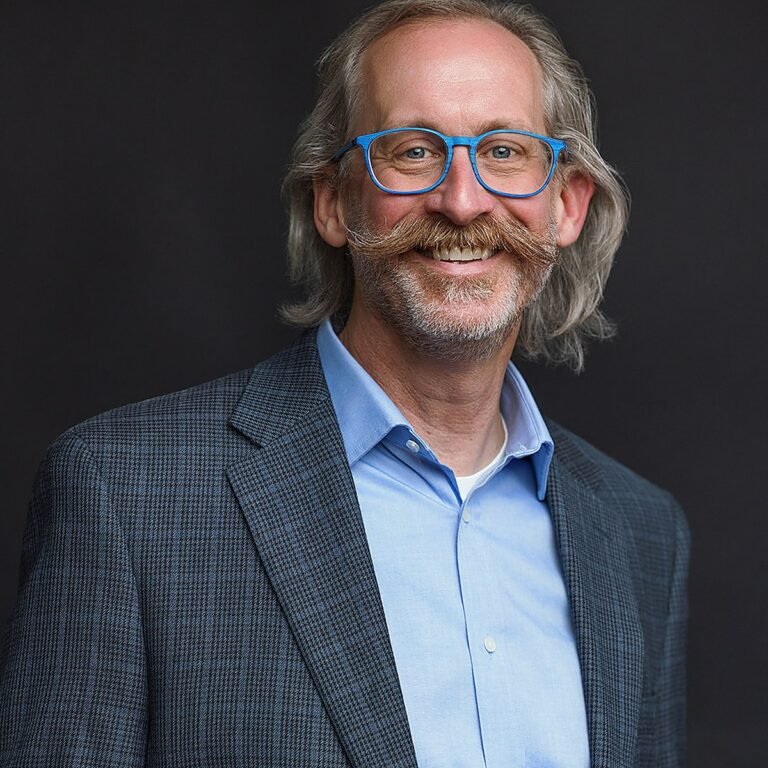
David Neville
David Neville is Digital Liberal Arts Specialist at Grinnell College. He is also the project director for the Immersive Experiences Lab, an interdisciplinary community of inquiry and practice exploring new ways to approach liberal arts topics through the research and development of extended reality (XR) experiences, and the PI for an NEH Digital Humanities Advancement Grant (Level I) that supports the creation of an immersive virtual reality experience for visualizing a Viking longship, and understanding the social, linguistic, cultural, political, and economic roles that the longship played in the Viking Age. Their interests include trade, economy, and global networks, cultural heritage and material culture, research interests include: (1) the learning that occurs.
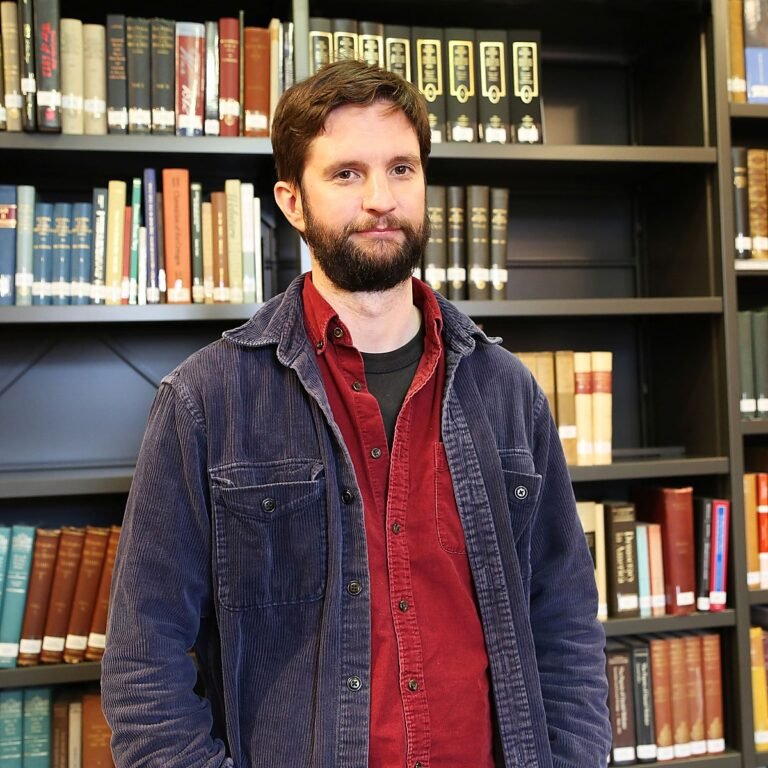
Jack Newman
Jack Newman is Honorary Fellow; Associate Fellow at University of Kent. He is currently leading The Making of Maidstone project, a Victoria County History initiative that is producing a scholarly volume on the history of Maidstone from 1549-1660 while building a sustainable community of interest around the town's past through collaborative research. Previously, Jack was a Leverhulme Funded Post-doctoral Researcher at the Centre for Digital Humanities and Literary Criticism, University of Antwerp, where he developed a Handwriting Text Recognition model for fourteenth-century English legal records. Their interests include migration, diaspora, and mobility, colonialism, empire, and decolonization, trade, economy, and global networks, legal and inquisitorial history. Within PUC, their profile connects to ai.
Paula Pérez-Rodríguez
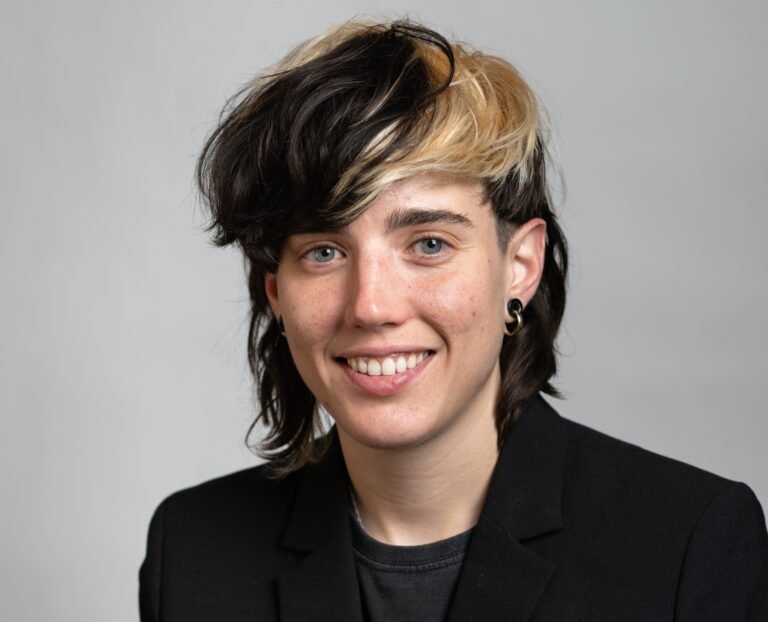
Paula Pérez-Rodríguez is Postdoctoral Marcel Bataillon Fellow at Madrid Institute for Advanced Study / Spanish National Scientific Council. She was a Research Fellow at Fundación Banco Sabadell-Hangar during 2024 and received her PhD at Princeton University in 2023. She also holds an MA from Princeton University (Hispanic & Lusophone Studies), the University of Alcalá (American Cultural Studies) and a BA from the Universidad Autónoma de Madrid. Her research explores the technological and cultural order of verbal and textual arts and radical and collective creative practices, touching on areas like Cultural History, Literary Theory, Book History, popular and vernacular cultures and the intersection of literacy, media, writing and the arts. Their interests include.
Sean Perrone
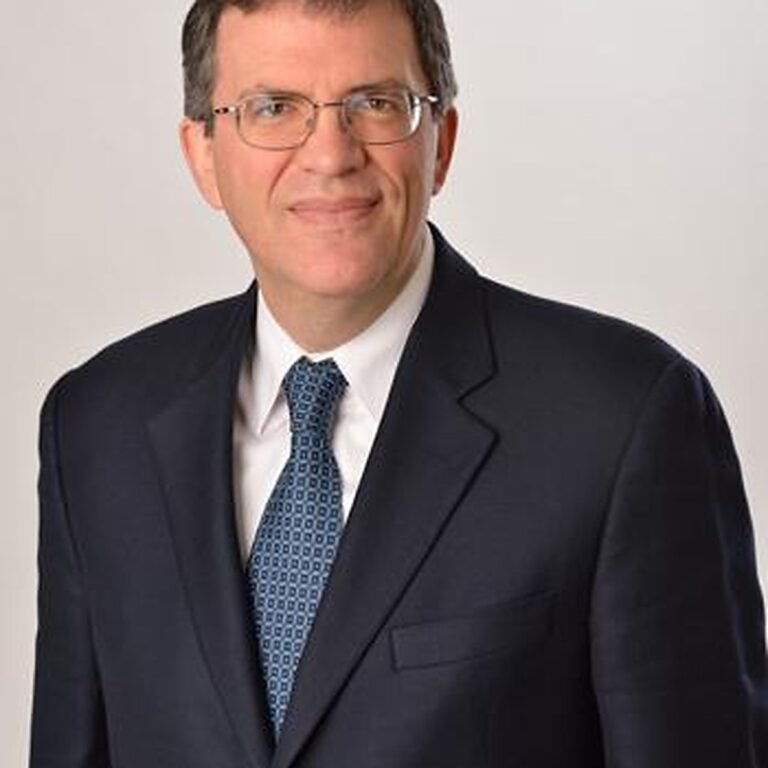
Sean Perrone is Professor of History at Saint Anselm College. My research initially investigated the fiscal negotiations between the Castilian Crown and the Assembly of the Clergy in the early modern period. I was particularly interested in the tensions between these two institutions and their impact on state-building in the early modern period. My research suggested that representative institutions retained considerably more autonomy and control over financial matters than previously thought. Their interests include migration, diaspora, and mobility, trade, economy, and global networks. Within PUC, their profile connects to mapping, pedagogy, translation, cultural heritage.
Stephen Pink
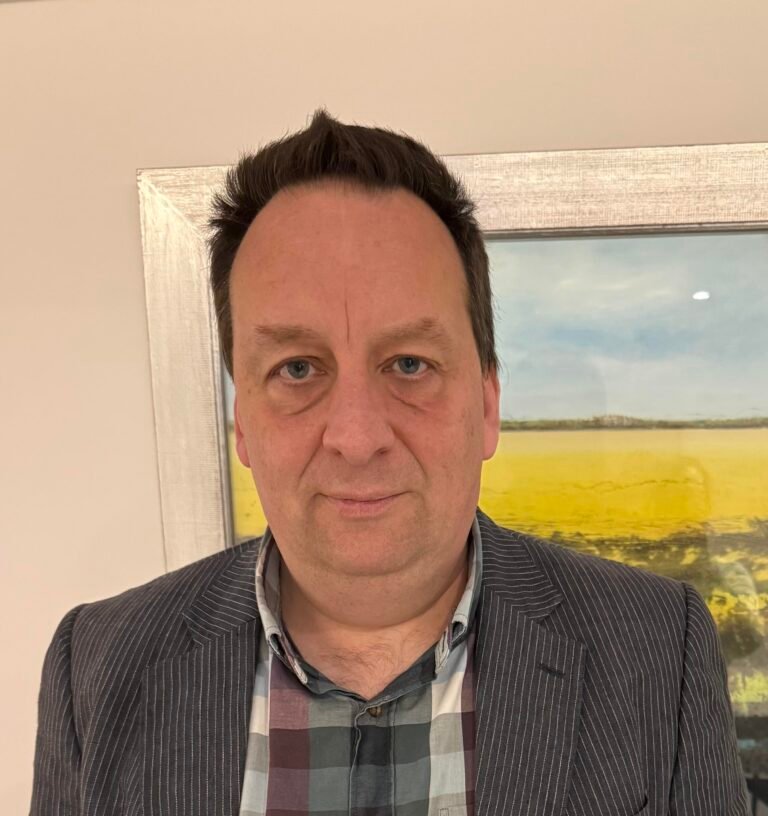
Stephen Pink is Intellectual Historian at Independent Scholar. His research focuses on religious culture, including the theology of John Wyclif, varieties of Scripture, and English vernacular religion. He also studies post-medieval inquiry and its technological transformations, from the Gutenberg press to modern data science. He is co-organiser of the Ars Inquirendi conference, principal founder of Dark Archives events, and a member of The Scriptomes Project. Within PUC, their profile connects to ai, manuscripts, archives.
Karen Pinto
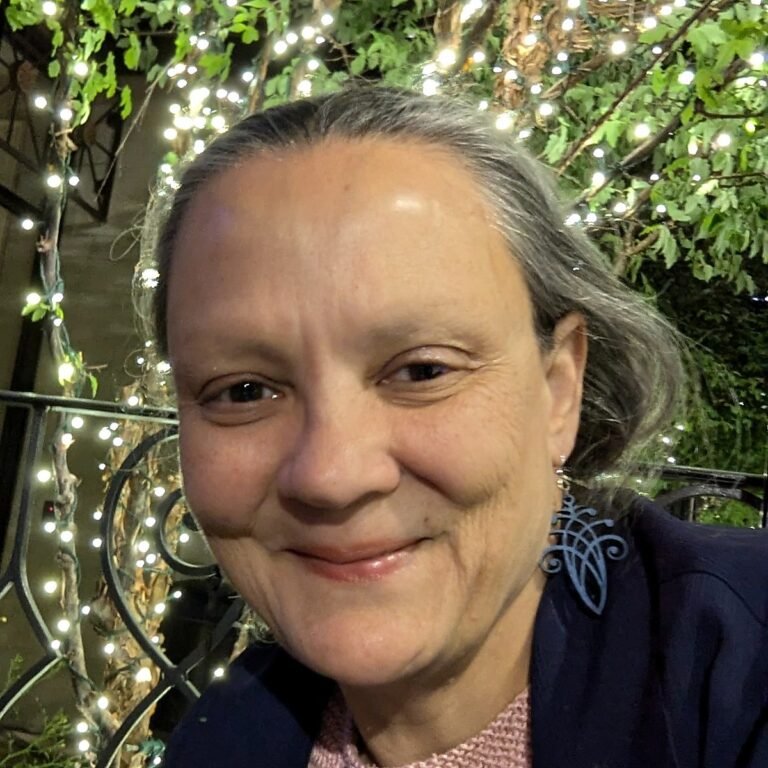
Karen Pinto is Historian of Islamic Cartography at University of Colorado Boulder. She has spent three decades examining maps in manuscript collections around the world. She has a 2000-strong image repository of Islamic maps—many that have never been published before. Her book Medieval Islamic Maps: An Exploration was published in November 2016 by University of Chicago Press and won a 2017 OAT (Outstanding Academic Title) award from Choice. Their interests include science, knowledge, and technology transfer, cultural heritage and material culture, religious and intellectual history, memory, myth, and public history, medieval islamic maps. Within PUC, their profile connects to vr/xr, mapping, manuscripts, archives, public history, pedagogy.
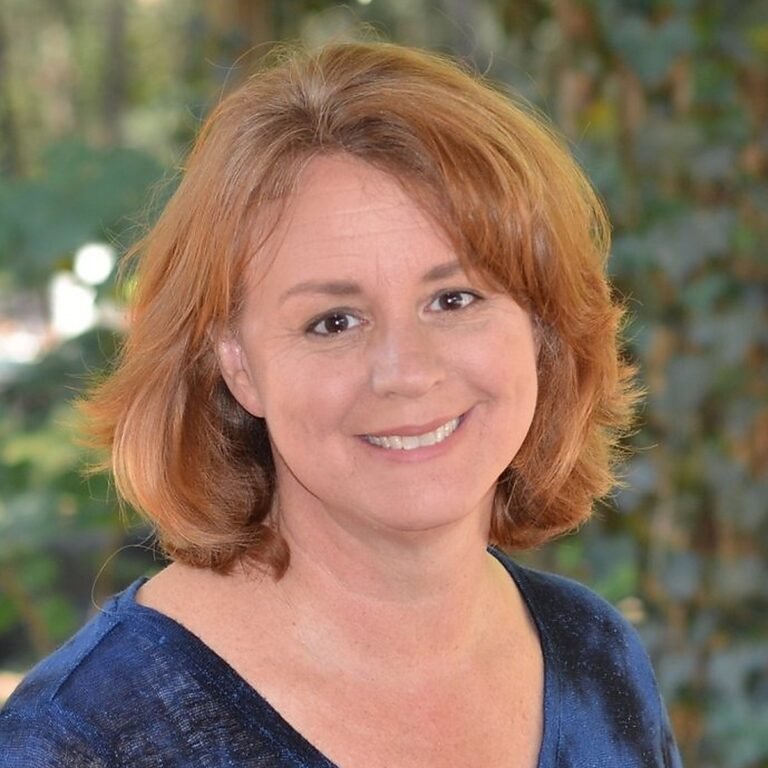
Lynn Ramey
Lynn Ramey is Professor of French and Cinema and Media Arts at Vanderbilt University. A scholar of medieval French literature and culture, she integrates digital humanities, immersive environments, and game-based learning into her research and teaching. Her work bridges the study of race and identity in the Middle Ages with innovative approaches to language and cultural pedagogy. She is coauthor of Engagements in Literary Gaming (Routledge, 2026) and coeditor of Teaching Games and Game Studies in the Literature Classroom (Bloomsbury, 2022). Their interests include intercultural and interreligious exchange, trade, economy, and global networks, cultural heritage and material culture, identity, race, and ethnicity in historical contexts. Within PUC, their profile connects to vr/xr.
Aurélia Rostaing
Aurélia Rostaing is Archive Curator at Archives nationales (France). Archive curator since 1996, currently working at National Archives of France. Their interests include science, knowledge, and technology transfer, cultural heritage and material culture, legal and inquisitorial history, memory, myth, and public history. Within PUC, their profile connects to manuscripts, archives, public history, pedagogy, digital humanities, translation. This work supports PUC’s broader effort to connect rigorous scholarship, public access, and cross-border collaboration around histories of cultural and religious difference.
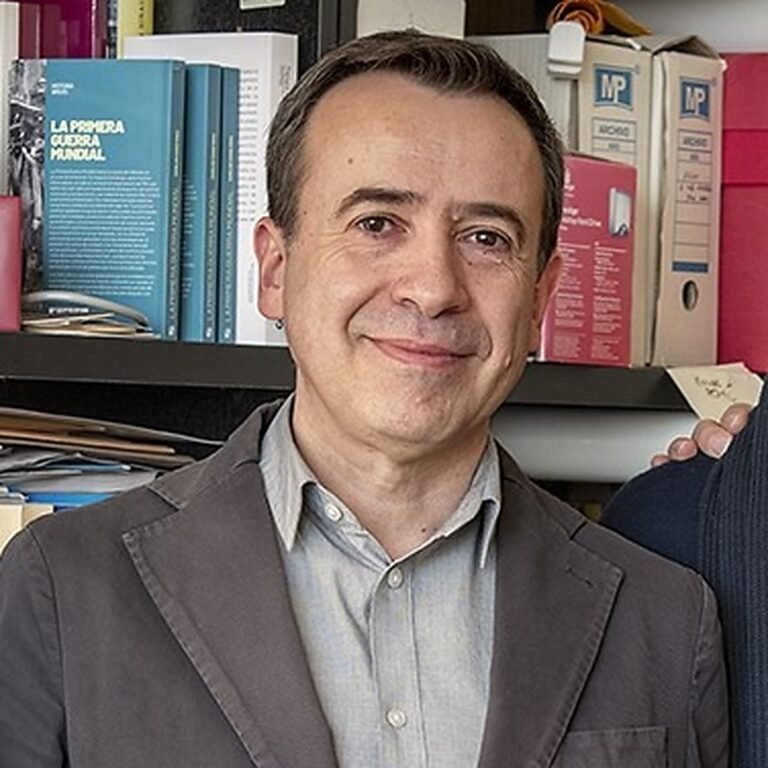
Carlos Sanz Díaz
Carlos Sanz Díaz is Professor of Contemporary History at Universidad Complutense de Madrid. His research explores Spain’s role in European institutions, diplomatic negotiations, and transnational exchanges between Spain and Latin America. He currently holds a Jean Monnet Chair on the History of Europe and European Integration (funded by the European Commission) and leads the research project "Spain in Europe: Power and Influence in the European Community (1986–2004)", funded by the Spanish Ministry of Science. Their interests include migration, diaspora, and mobility, science, knowledge, and technology transfer, memory, myth, and public history. Within PUC, their profile connects to ai, vr/xr, manuscripts, public history, pedagogy, digital humanities.
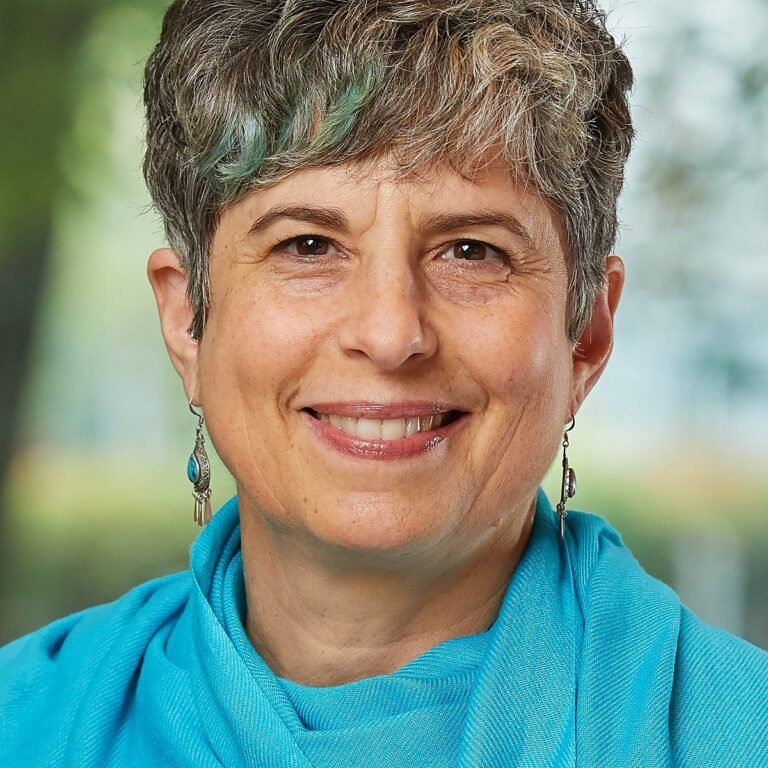
Patricia Schechter
Patricia Schechter is Professor of History at Portland State University (Oregon, USA). She received her BA in American Studies magna cum laude from Mount Holyoke College and then her PhD in History from Princeton University. Her first book, Ida B. Wells-Barnett and American Reform (UNC Press, 2001) won the Sierra Book Prize from the Western Association of Women Historians. Her subsequent publications and public history projects have been recognized for their excellence by the Oral History Association, Library Choice, and the American Philosophical Society, among others. Their interests include migration, diaspora, and mobility, trade, economy, and global networks, cultural heritage and material culture, identity, race, and ethnicity in historical contexts, memory, myth.
Daniel Tejerina
Daniel Tejerina is Junior Research Fellow at University of Alicante. I'm a Junior Research Fellow at the University Institute for Archaeology and Historical Heritage (INAPH) of the University of Alicante, specialising in the application of digital technologies to cultural heritage. My work focuses on 3D survey, virtual reconstruction, immersive VR/AR experiences and digital museography, combining archaeological research with advanced digital workflows. Their interests include trade, economy, and global networks, science, knowledge, and technology transfer, cultural heritage and material culture. Within PUC, their profile connects to ai, vr/xr, mapping, manuscripts, archives, public history.
Victor Temprano
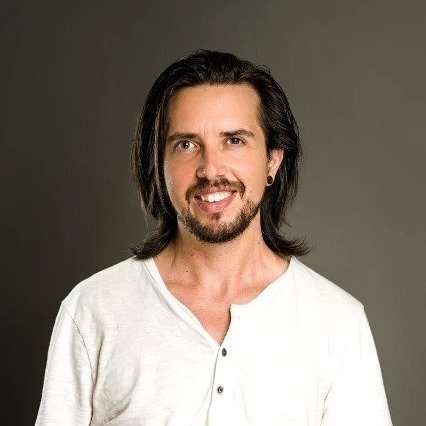
Victor Temprano is Independent Scholar; Software Developer; Writer at Independent Scholar. He is the founder of Native-Land.ca and the CEO of Mapster Technology Inc. and has worked on dozens of projects in the Digital Humanities. He is the creator of numerous online courses on digital mapping, project management, and programming, and also runs a Youtube channel focused on the history of unusual maps. He works with scholars and academics around the world to help hone concepts and implement new projects with agility and imagination. Their interests include intercultural and interreligious exchange, migration, diaspora, and mobility, colonialism, empire, and decolonization, trade, economy, and global networks, science, knowledge, and technology transfer, cultural heritage and.
Ian Torres
Ian Torres is a teaching faculty member associated with UCCS and Pikes Peak State College. His background includes graduate training in history at the University of Colorado Colorado Springs. Within Plus Ultra Collective, his profile connects teaching, historical study, and public humanities, contributing to the Collective’s interest in accessible education, collaborative learning, and the translation of scholarly knowledge for broader audiences.
Sara Torres
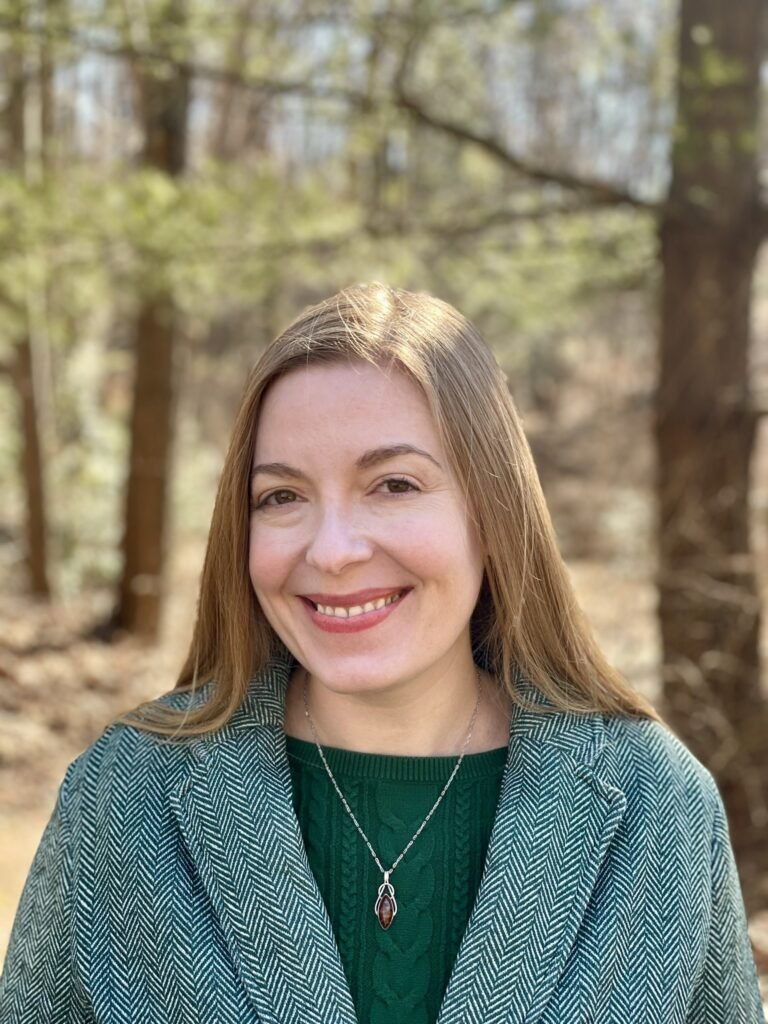
Sara Torres is Content Strategist; Visiting Scholar at UNM (Visiting Scholar). She has previously held an assistant professorship in English at Converse University, a Third Century Postdoctoral Fellow in Medieval Studies at the University of Virginia, the Speculum Postdoctoral Fellowship at the Medieval Academy of America, and a lectureship at UCLA. Her research interests include global and comparative medieval and early modern studies, translation theory and practice, gender studies, and environmental humanities. Their interests include intercultural and interreligious exchange, migration, diaspora, and mobility, colonialism, empire, and decolonization, science, knowledge, and technology transfer, cultural heritage and material culture, memory, myth, and public history. Within PUC, their profile connects to mapping, manuscripts, public history.
Belén Vicens
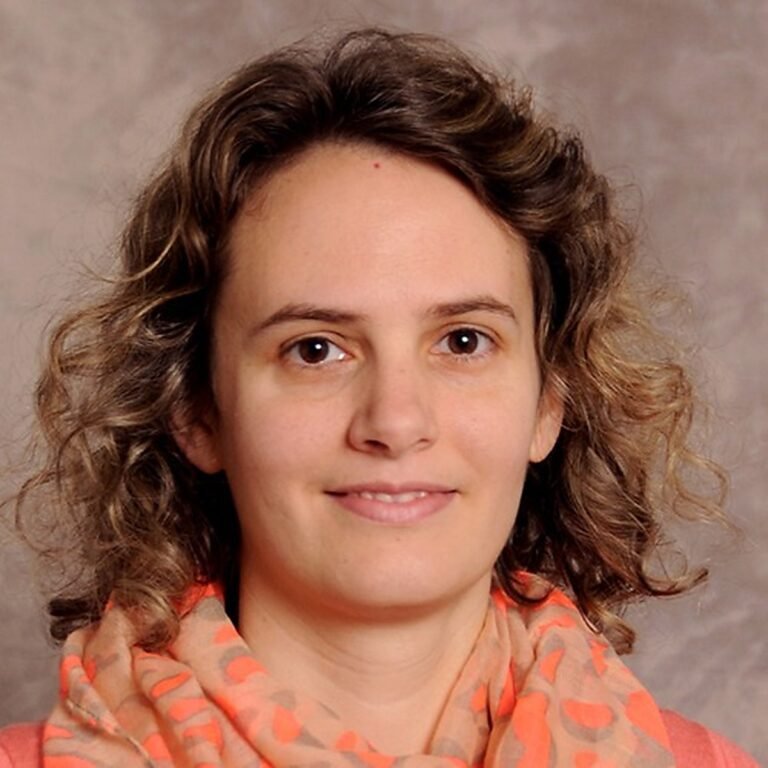
Belen Vicens is Associate Professor of History at Salisbury University, MD. She is a historian of law and society in medieval Iberia and the Mediterranean world, with an emphasis on relations between Muslims, Christians, and Jews. She is currently working on a book manuscript titled Negotiating Power and Privilege: Law, Monarchy, and the Nobility in Medieval Aragon and an article that examines the fortunes of a set of properties in the aftermath of the Aragonese conquest of Valencia of 1238 and the elite tenants’ relationships with the Crown. Their interests include intercultural and interreligious exchange, legal and inquisitorial history, identity, race, and ethnicity in historical contexts. Within PUC, their profile connects to.
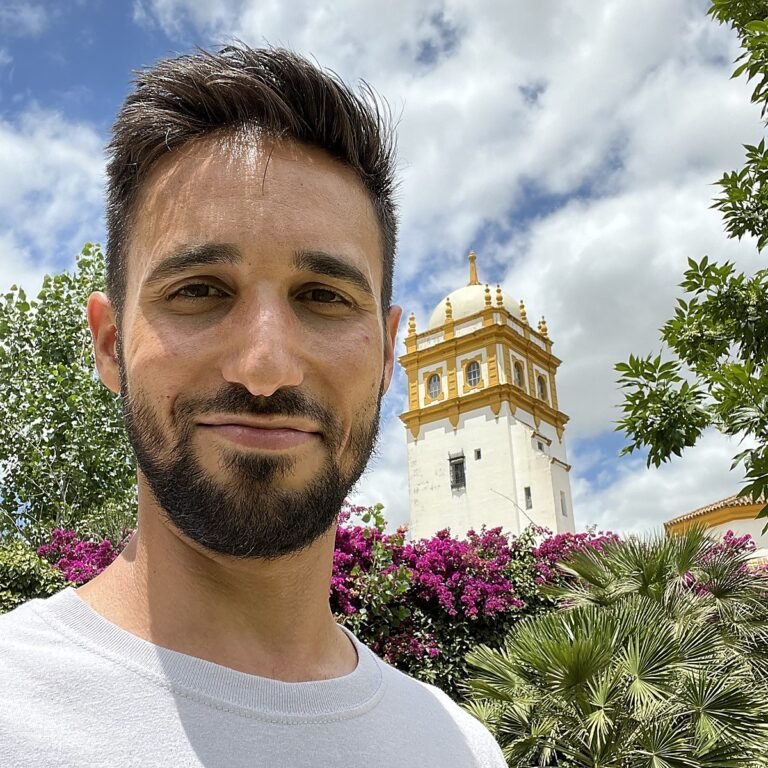
Jeffrey William Baron
Jeffrey William Baron is PhD Candidate in History at University of Rochester. Baron is a PhD candidate in History at the University of Rochester. His dissertation explores the legal traditions and licensing policies governing the excavation of buried treasure in the medieval and early modern Hispanic world. Their interests include intercultural and interreligious exchange, migration, diaspora, and mobility, colonialism, empire, and decolonization, cultural heritage and material culture, legal and inquisitorial history, identity, race, and ethnicity in historical contexts. Within PUC, their profile connects to ai, vr/xr, mapping, manuscripts, public history, pedagogy.
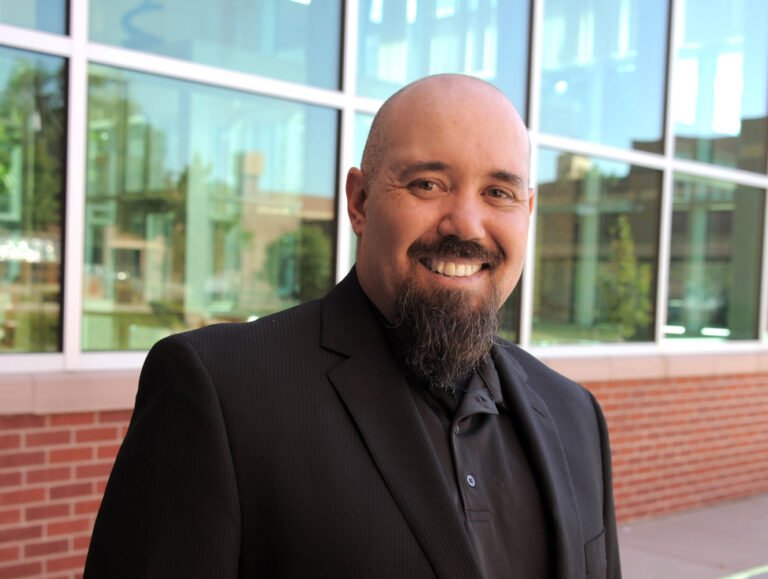
Sean Wybrant
Sean Wybrant is Educator; Career and Technical Education Specialist at William J. Palmer High School. Sean Wybrant, an award-winning educator at William J. Palmer High School, specializes in career and technical education, with a focus on integrating emerging technologies into student learning. As the 2017 Colorado Teacher of the Year, he has pioneered projects leveraging augmented and virtual reality (AR/VR) to create immersive educational experiences. His groundbreaking work includes the development of a virtual reality museum exploring the Saipan Maritime Heritage Trail and the Battle of Saipan, fostering global collaboration between students in Colorado and Saipan. Within PUC, their profile connects to vr/xr, public history, pedagogy, cultural heritage.