Southern Europe

  • Marina Gómez Rey

    Marina Gómez Rey is Generative AI Specialist at UC3M. Since then, she has built her expertise in this field, working in both the private and public sectors on projects such as BADDO, which intents to overcome the barries between history and AI. A history enthusiast with a particular love for ancient history and archaeology, Marina took a course in Roman archaeology during her Erasmus in Rome. Their interests include intercultural and interreligious exchange, cultural heritage and material culture, memory, myth, and public history. Within PUC, their profile connects to ai, mapping, manuscripts, public history, pedagogy, digital humanities.
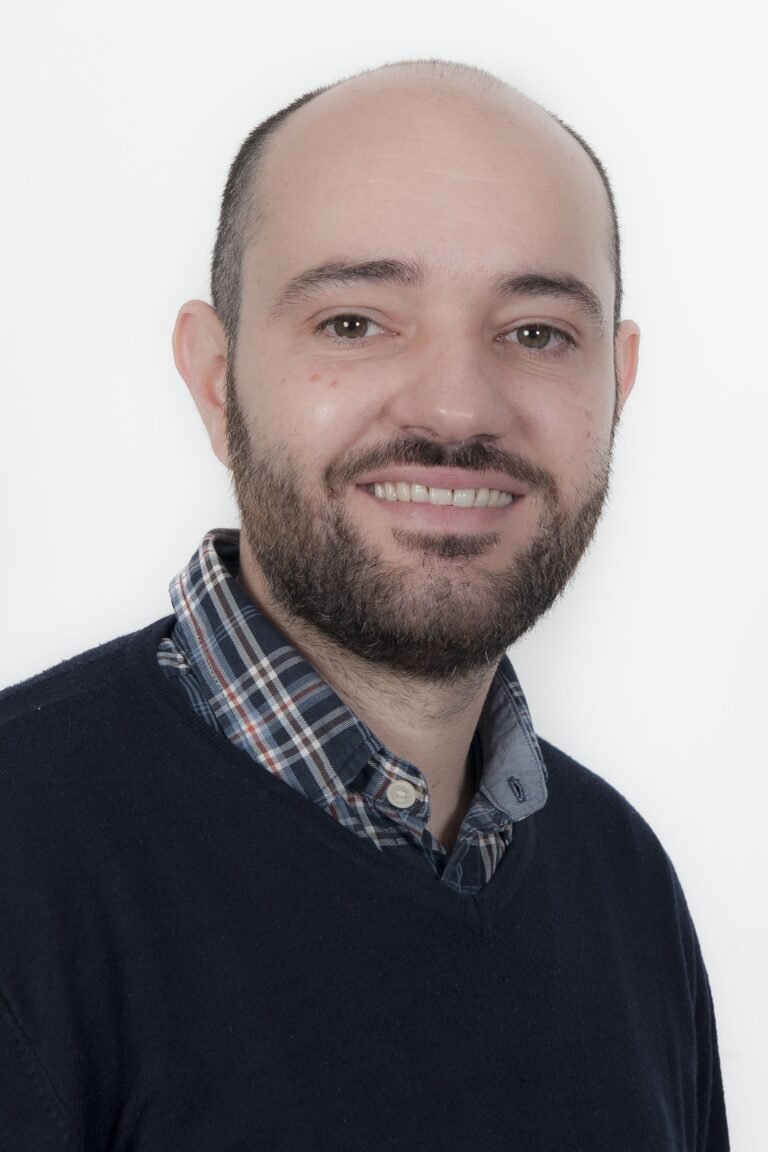
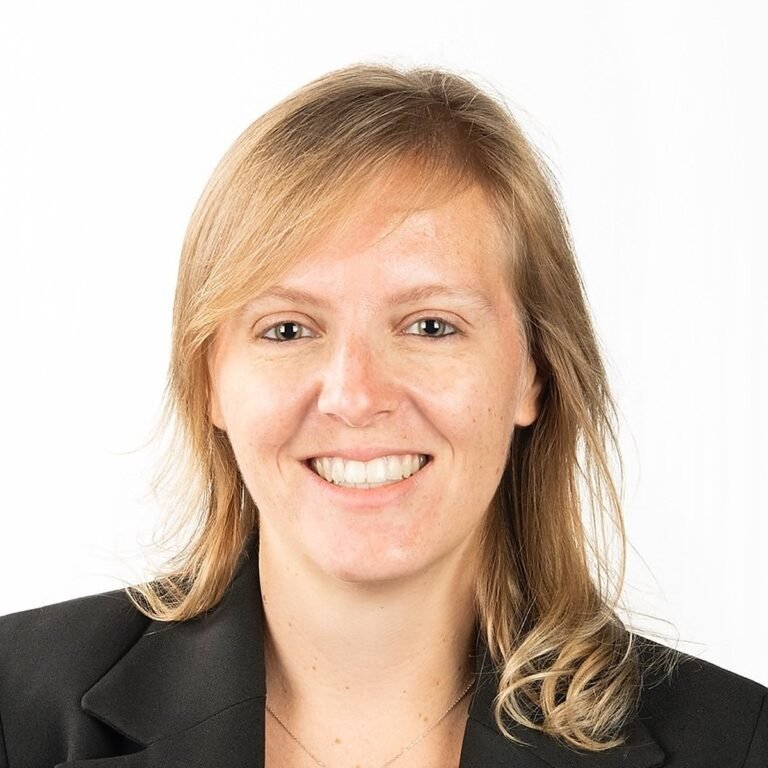
  • Rubén González Cuerva

    Rubén González Cuerva is Permanent Scientist at CSIC. He has been postdoctoral fellow at the National University of Salta (Argentina), Marie Curie Fellow at the German Historical Institute of Rome, Juan de la Cierva Postdoctoral Researcher at the CSIC, and associate lecturer at the Autonomous University of Madrid and the Complutense University. Currently, he directs the DIPLOINMED project (awarded by the Spanish National Research Agency), which analyses cross-confessional and global diplomacy in the sixteenth and seventeenth centuries as well as the establishment of diplomatic relations between the Spanish Monarchy and Muslim polities. Their interests include intercultural and interreligious exchange, colonialism, empire, and decolonization, cultural heritage and material culture, diplomatic history. Within PUC.

  • Estelle Guéville

    Estelle Guéville is Curator and PhD Candidate in Medieval Studies at Yale University. She previously graduated in History, Art History and the Management of Cultural Heritage from Université Paris 1 Panthéon Sorbonne. Before joining Yale, she worked for several cultural institutions in France and the Gulf, including the Louvre Abu Dhabi, the Bibliothèque nationale de France and the Musée national du Moyen Age – Thermes de Cluny in Paris. Their interests include intercultural and interreligious exchange, cultural heritage and material culture, religious and intellectual history, identity, race, and ethnicity in historical contexts, memory, myth, and public history. Within PUC, their profile connects to ai, mapping, manuscripts, archives, public history, pedagogy.

  • Alfonso García Sánchez

    Alfonso García Sánchez is PhD Student in Geography and History at Carlos III university. A graduate in Geography and History (University of Jaén) with a Master’s Degree in Compulsory Secondary Education and Baccalaureate Teaching, Vocational Training and Language Teaching (University of Jaén) and a Master’s Degree in the Science of Religions: History and Society (ULL, UC3M, and UPO). He is currently a pre-doctoral fellow and PhD candidate in Humanities at the Carlos III University of Madrid. Their interests include religious and intellectual history, identity, race, and ethnicity in historical contexts, memory, myth, and public history. Within PUC, their profile connects to ai, mapping, manuscripts, public history, pedagogy, digital humanities.
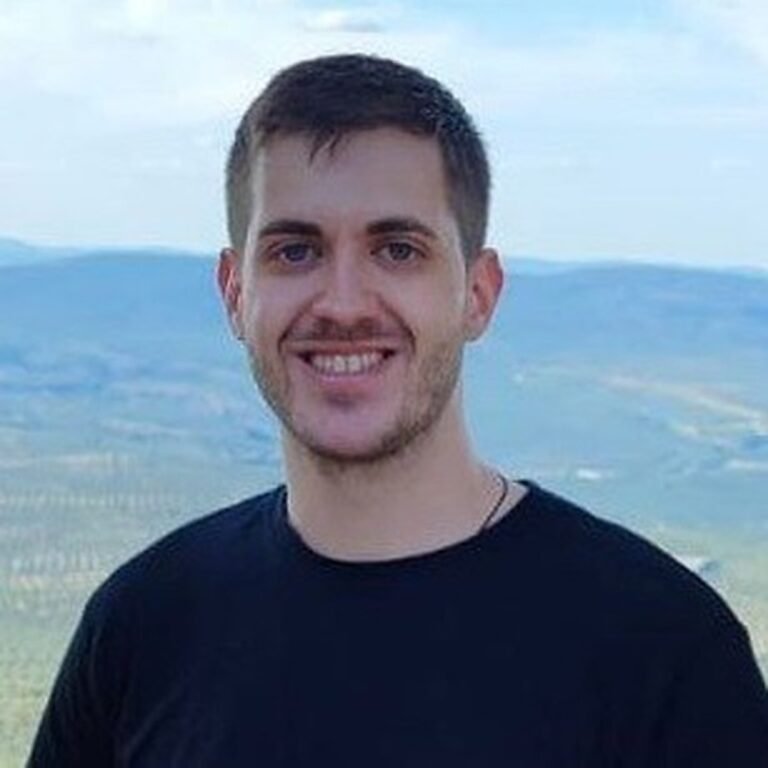
  • Luis García-Vela

    Luis García-Vela is Graduate Researcher at University of Zaragoza (Spain). With a bachelor’s in Hispanic literature and Linguistics (University of Zaragoza, 2024) he has participated in various conferences in Spain (Salamanca, Granada, Zaragoza…) and in the United States (University of North Carolina at Chapel Hill). He is a member of the PSA (Postcolonial Studies Association), the ICLA (International Comparative Literature Association), the CEAH (Centro de Estudios Afrohispánicos), and the Mediterranean Seminar (University of Colorado at Boulder). Their interests include intercultural and interreligious exchange, migration, diaspora, and mobility, colonialism, empire, and decolonization, cultural heritage and material culture, religious and intellectual history, identity, race, and ethnicity in historical contexts, memory, myth, and public history..

  • Paul Csillag

    Paul Csillag is Historian; Postdoctoral Researcher at Innsbruck University. Paul Csillag is a historian of imperialism, historical fiction, and the Mediterranean. He obtained his PhD at the European University Institute and studied at the universities of Innsbruck, Jean Jaurès (Toulouse), and Yeditepe (Istanbul). Furthermore, he has taught courses on historical narratives at the universities of Sciences Po, Regensburg, Florence, Salzburg, Monash, and Innsbruck. Currently, he is supporting the Justman-Project as its coordinator and teaching at the Institute of History and European Ethnology at the University of Innsbruck. Their interests include migration, diaspora, and mobility, colonialism, empire, and decolonization, identity, race, and ethnicity in historical contexts, memory, myth, and public history. Within PUC.

  • Andrea Davis

    Andrea Davis is Associate Professor of History at Arkansas State University. Specializing in the urban social movements, memory cultures, and digital heritage of modern Spain, she directs Voices, Narratives, and Memories of Francoism, collaborates on the Virtual Museum of the Spanish Civil War, and co-organizes the international working group Towards a Spanish Civil War and Francoist Repression Digital Research Infrastructure. Andrea has also served as a Community Lead for the Digital Humanities Research Institute (2018-2019) and General Editor for the Bulletin for Spanish and Portuguese Historical Studies (2019-2022), where she co-edited special issues on “Digital Humanities” (2018) and “Iberia in Entangled and Transnational Contexts” (2019). Their interests include cultural heritage and material.

  • Thomas Devaney

    Thomas Devaney is Associate Professor of History at the University of Rochester. His work engages medieval and early modern Iberian and Mediterranean worlds, with attention to intercultural and interreligious exchange and religious and intellectual history. Within PUC, his profile supports collaborative research, programs, and mentoring around premodern histories of contact, conflict, and coexistence.

  • James (Jim) W. Cortada

    James W. Cortada is affiliated with the Charles Babbage Institute at the University of Minnesota–Twin Cities. His work connects the history of computing, information systems, organizations, and technology with broader questions about knowledge, institutions, and public understanding. Within Plus Ultra Collective, his profile contributes to conversations about digital history, technological change, and the long histories of information infrastructure that shape research, education, and cultural memory.

  • Maddalena Bellavitis

    Maddalena Bellavitis is Researcher and Faculty Member at C2RMF and Università degli Studi di Udine. Doctor Europaeus (2007), after a Marie Curie Fellowship, I divide my museum and academic career between the Center for Research and Restoration of the Museums of France and the Università degli Studi di Udine. My research interests are extremely varied, ranging from the European art and culture of the Middle Ages to the Early Modern Colonialism. Their interests include intercultural and interreligious exchange, colonialism, empire, and decolonization, trade, economy, and global networks, science, knowledge, and technology transfer, cultural heritage and material culture, identity, race, and ethnicity in historical contexts, memory, myth, and public history. Within PUC, their.