Cultural Heritage

  • Rubén González Cuerva

    Rubén González Cuerva is Permanent Scientist at CSIC. He has been postdoctoral fellow at the National University of Salta (Argentina), Marie Curie Fellow at the German Historical Institute of Rome, Juan de la Cierva Postdoctoral Researcher at the CSIC, and associate lecturer at the Autonomous University of Madrid and the Complutense University. Currently, he directs the DIPLOINMED project (awarded by the Spanish National Research Agency), which analyses cross-confessional and global diplomacy in the sixteenth and seventeenth centuries as well as the establishment of diplomatic relations between the Spanish Monarchy and Muslim polities. Their interests include intercultural and interreligious exchange, colonialism, empire, and decolonization, cultural heritage and material culture, diplomatic history. Within PUC.
  • Fernando Feliu-Moggi

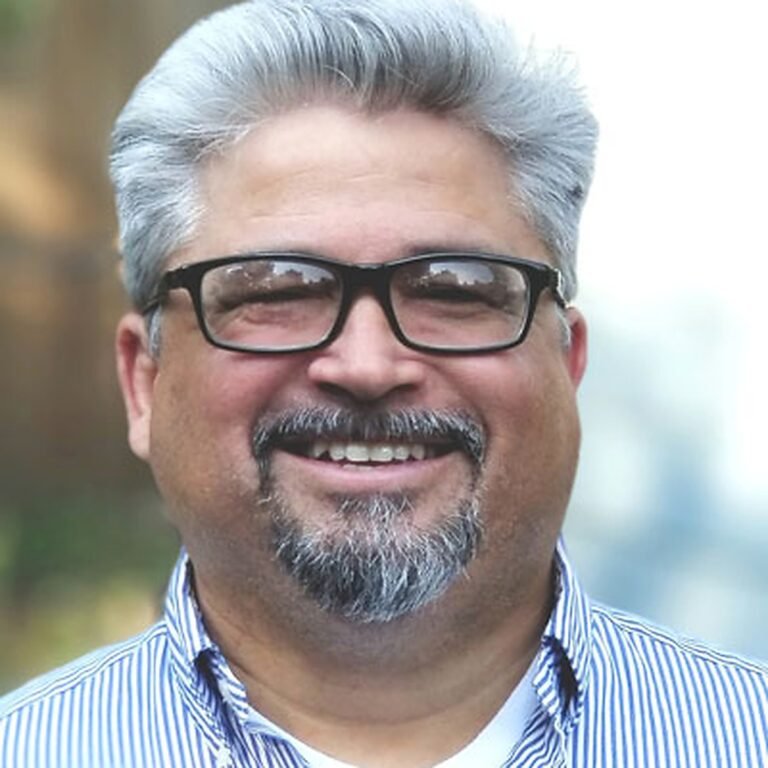
    Fernando Feliu-Moggi is Professor of Spanish at University of Colorado Colorado Springs. He earned his PhD in Hispanic Cultural Studies from the University of Pittsburgh. His research and teaching encompass Latin American, Spanish, and Italian cinema, with a focus on regions such as Mexico, Cuba, and Argentina. Feliu-Moggi is a member of the European Academy of Sciences and Arts and serves as President of the Miguel Angel Asturias Society, an international academic organization dedicated to Guatemalan cultural production since the 1920s. Within PUC, their profile connects to pedagogy, cultural heritage.

  • Luis García-Vela

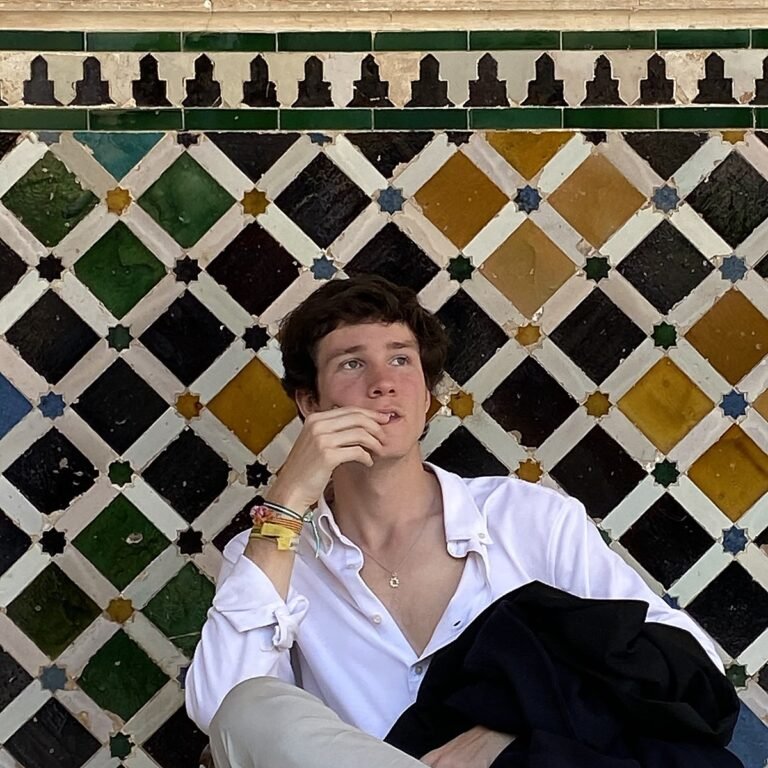
    Luis García-Vela is Graduate Researcher at University of Zaragoza (Spain). With a bachelor’s in Hispanic literature and Linguistics (University of Zaragoza, 2024) he has participated in various conferences in Spain (Salamanca, Granada, Zaragoza…) and in the United States (University of North Carolina at Chapel Hill). He is a member of the PSA (Postcolonial Studies Association), the ICLA (International Comparative Literature Association), the CEAH (Centro de Estudios Afrohispánicos), and the Mediterranean Seminar (University of Colorado at Boulder). Their interests include intercultural and interreligious exchange, migration, diaspora, and mobility, colonialism, empire, and decolonization, cultural heritage and material culture, religious and intellectual history, identity, race, and ethnicity in historical contexts, memory, myth, and public history..

  • Thomas Devaney

    Thomas Devaney is Associate Professor of History at the University of Rochester. His work engages medieval and early modern Iberian and Mediterranean worlds, with attention to intercultural and interreligious exchange and religious and intellectual history. Within PUC, his profile supports collaborative research, programs, and mentoring around premodern histories of contact, conflict, and coexistence.

  • James (Jim) W. Cortada

    James W. Cortada is affiliated with the Charles Babbage Institute at the University of Minnesota–Twin Cities. His work connects the history of computing, information systems, organizations, and technology with broader questions about knowledge, institutions, and public understanding. Within Plus Ultra Collective, his profile contributes to conversations about digital history, technological change, and the long histories of information infrastructure that shape research, education, and cultural memory.

  • Hadeer Abouelnagah

    Hadeer Aboelnagah is Professor of English and Translation; Director of the Translation and Authoring Center at Prince Sultan University. She is the Director of the Translation and Authoring Center. She is a Principal fellow at the Higher Education Academy UK. Aboelnagah, established international academic reputation through teaching at State University of New York, University of Ottawa, Carleton University in Canada and Middlebury College. Her research interests include; post-colonial and ethnic literature, digital humanities, Middle- Eastern culture and literature, and post MT editing in Arabic. Their interests include intercultural and interreligious exchange, colonialism, empire, and decolonization, women studies and translation. Within PUC, their profile connects to archives, pedagogy, digital humanities, translation, cultural heritage.

  • Drora Arussy

    Drora Arussy is Executive Director at Jewish Unity Through Diversity. Her research and educational programs focus on multi-cultural and cross-cultural impacts across the Jewish world and with their neighbors. Drora is the co-editor of Jews and Muslims in Morocco: Their Intersecting Worlds and Aden: Social, Cultural, and Communal Histories of a Multicultural Port, and author of Leah Nassi of Lisbon: A Historical Novel. Her current research focuses on the Jewish community of Sana’a Yemen in the first half of the 20th century. Their interests include intercultural and interreligious exchange, migration, diaspora, and mobility, religious and intellectual history, identity, race, and ethnicity in historical contexts. Within PUC, their profile connects to vr/xr, public.

  • Maddalena Bellavitis

    Maddalena Bellavitis is Researcher and Faculty Member at C2RMF and Università degli Studi di Udine. Doctor Europaeus (2007), after a Marie Curie Fellowship, I divide my museum and academic career between the Center for Research and Restoration of the Museums of France and the Università degli Studi di Udine. My research interests are extremely varied, ranging from the European art and culture of the Middle Ages to the Early Modern Colonialism. Their interests include intercultural and interreligious exchange, colonialism, empire, and decolonization, trade, economy, and global networks, science, knowledge, and technology transfer, cultural heritage and material culture, identity, race, and ethnicity in historical contexts, memory, myth, and public history. Within PUC, their.

  • Shai Cohen

    Shai Cohen is Senior Lecturer; Director, Modern Languages Laboratory and Media Center at University of Miami. His research spans the legal and cultural intersections between communities in Spain, with a particular focus on the converso experience; political satire in 17th-century Spain; and Sephardi studies of migration, memory, and identity. He leads the Sephardi Spaces project, which maps historical and contemporary trajectories of Sephardic migration and identity across the globe. Cohen also develops XR and AI tools for heritage preservation, designing immersive exhibitions and digital platforms that bring historical narratives into the present. Within PUC, their profile connects to ai, vr/xr, mapping, public history, translation, cultural heritage.