Trade

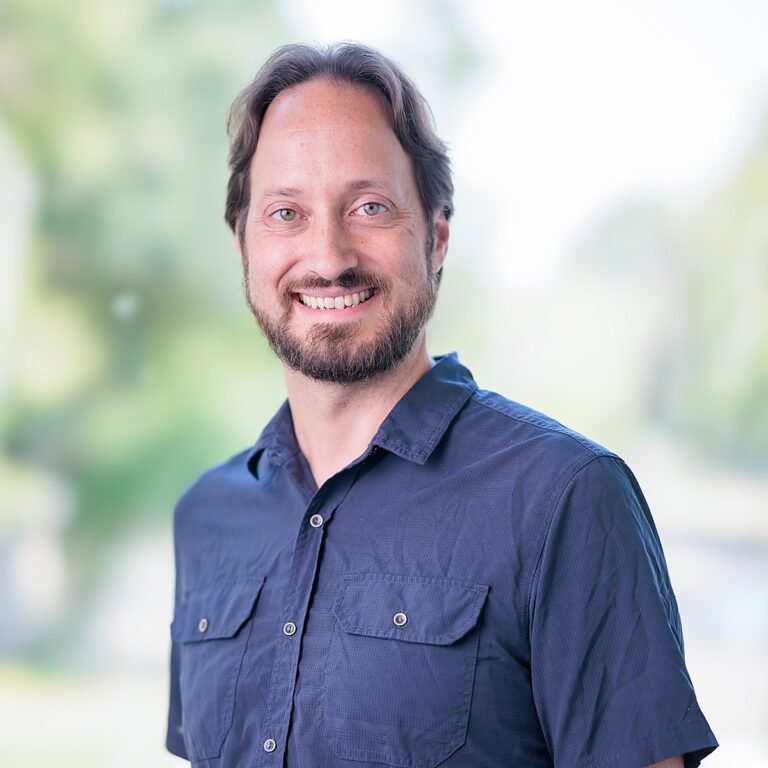
  • Patricia Schechter

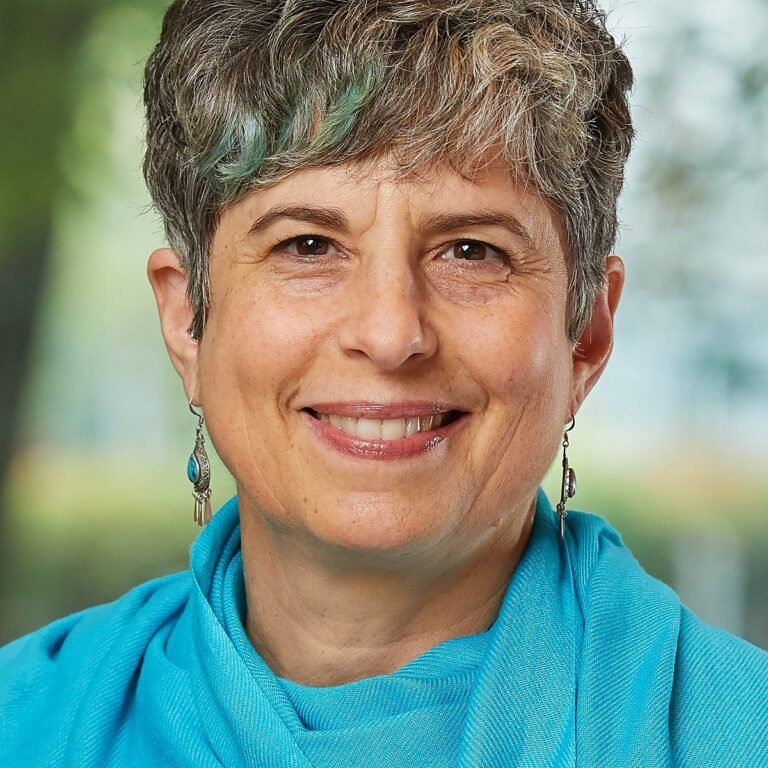
    Patricia Schechter is Professor of History at Portland State University (Oregon, USA). She received her BA in American Studies magna cum laude from Mount Holyoke College and then her PhD in History from Princeton University. Her first book, Ida B. Wells-Barnett and American Reform (UNC Press, 2001) won the Sierra Book Prize from the Western Association of Women Historians. Her subsequent publications and public history projects have been recognized for their excellence by the Oral History Association, Library Choice, and the American Philosophical Society, among others. Their interests include migration, diaspora, and mobility, trade, economy, and global networks, cultural heritage and material culture, identity, race, and ethnicity in historical contexts, memory, myth.
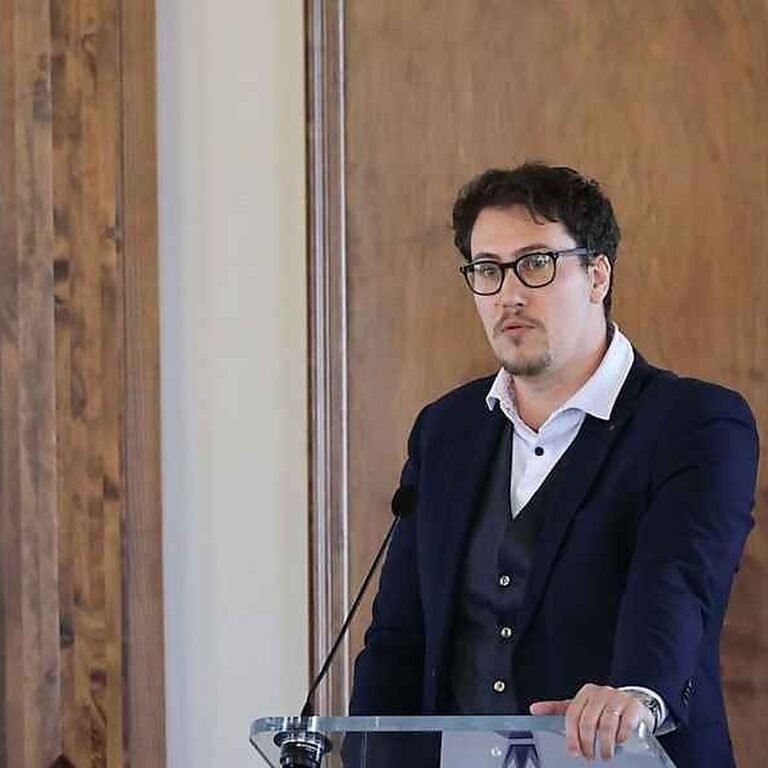
  • Daniel Tejerina

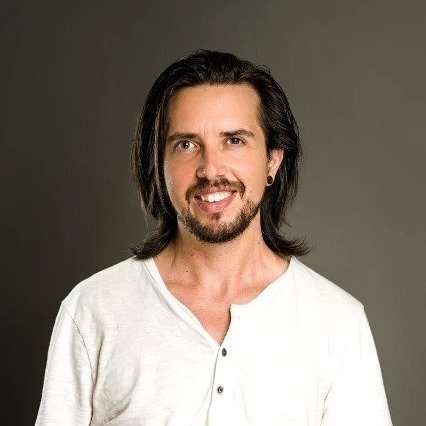
    Daniel Tejerina is Junior Research Fellow at University of Alicante. I’m a Junior Research Fellow at the University Institute for Archaeology and Historical Heritage (INAPH) of the University of Alicante, specialising in the application of digital technologies to cultural heritage. My work focuses on 3D survey, virtual reconstruction, immersive VR/AR experiences and digital museography, combining archaeological research with advanced digital workflows. Their interests include trade, economy, and global networks, science, knowledge, and technology transfer, cultural heritage and material culture. Within PUC, their profile connects to ai, vr/xr, mapping, manuscripts, archives, public history.

  • Victor Temprano

    Victor Temprano is Independent Scholar; Software Developer; Writer at Independent Scholar. He is the founder of Native-Land.ca and the CEO of Mapster Technology Inc. and has worked on dozens of projects in the Digital Humanities. He is the creator of numerous online courses on digital mapping, project management, and programming, and also runs a Youtube channel focused on the history of unusual maps. He works with scholars and academics around the world to help hone concepts and implement new projects with agility and imagination. Their interests include intercultural and interreligious exchange, migration, diaspora, and mobility, colonialism, empire, and decolonization, trade, economy, and global networks, science, knowledge, and technology transfer, cultural heritage and.

  • Lynn Ramey

    Lynn Ramey is Professor of French and Cinema and Media Arts at Vanderbilt University. A scholar of medieval French literature and culture, she integrates digital humanities, immersive environments, and game-based learning into her research and teaching. Her work bridges the study of race and identity in the Middle Ages with innovative approaches to language and cultural pedagogy. She is coauthor of Engagements in Literary Gaming (Routledge, 2026) and coeditor of Teaching Games and Game Studies in the Literature Classroom (Bloomsbury, 2022). Their interests include intercultural and interreligious exchange, trade, economy, and global networks, cultural heritage and material culture, identity, race, and ethnicity in historical contexts. Within PUC, their profile connects to vr/xr.

  • Jack Newman

    Jack Newman is Honorary Fellow; Associate Fellow at University of Kent. He is currently leading The Making of Maidstone project, a Victoria County History initiative that is producing a scholarly volume on the history of Maidstone from 1549-1660 while building a sustainable community of interest around the town’s past through collaborative research. Previously, Jack was a Leverhulme Funded Post-doctoral Researcher at the Centre for Digital Humanities and Literary Criticism, University of Antwerp, where he developed a Handwriting Text Recognition model for fourteenth-century English legal records. Their interests include migration, diaspora, and mobility, colonialism, empire, and decolonization, trade, economy, and global networks, legal and inquisitorial history. Within PUC, their profile connects to ai.

  • Sean Perrone

    Sean Perrone is Professor of History at Saint Anselm College. My research initially investigated the fiscal negotiations between the Castilian Crown and the Assembly of the Clergy in the early modern period. I was particularly interested in the tensions between these two institutions and their impact on state-building in the early modern period. My research suggested that representative institutions retained considerably more autonomy and control over financial matters than previously thought. Their interests include migration, diaspora, and mobility, trade, economy, and global networks. Within PUC, their profile connects to mapping, pedagogy, translation, cultural heritage.

  • Roger Martínez-Dávila

    Roger Martínez-Dávila is Professor of History; Researcher at University of Colorado Colorado Springs; Universidad Carlos III de Madrid. Roger Martínez-Dávila is a historian and digital humanist specializing in medieval Europe and the Mediterranean, focusing on Christian, Jewish, and Islamic interrelations. He earned his PhD in history from the University of Texas at Austin. Notably, he leads the Deciphering Secrets: Unlocking the Manuscripts of Medieval Spain project and co-directed the NEH Immersive Global Middle Ages Advanced Digital Humanities Institute. Their interests include intercultural and interreligious exchange, trade, economy, and global networks, science, knowledge, and technology transfer, religious and intellectual history, identity, race, and ethnicity in historical contexts. Within PUC, their profile connects to.

  • Austin Mason

    Austin Mason is Assistant Director of Digital Humanities at Carleton College. He holds a PhD in History from Boston College, with an emphasis on religious history, material culture, archaeology, spatial humanities and the digital humanities, and an M.St. in Medieval British History from Oxford University. His work has been supported by grants from the ACLS, Mellon Foundation, and National Endowment for the Humanities, among others. He is the co-PI for an NEH Digital Humanities Advancement Grant to develop the Virtual Viking Longship Project: A Study in the Future of Liberal Arts Teaching and Research. Their interests include intercultural and interreligious exchange, migration, diaspora, and mobility, trade, economy, and global networks, cultural heritage.

  • Ondrej Lee Stolicka

    Ondrej Lee Stolicka is Lecturer and Historian at The Center for Slavic, Eurasian and East European Studies, The University of North Carolina at Chapel Hill. His research area includes connections between the Spanish court and Central European nobility (for example, the Order of the Golden Fleece). He defended his dissertation, Brandenburg-Prussia between Madrid and Vienna: The Failed Diplomatic Mission of Melchior von Ruck (1676–1680), at Universidad Autónoma de Madrid in 2022. Between 2022 and 2024, he worked on his postdoctoral project, Central European Nobility and the Order of the Golden Fleece during the Reign of Leopold I, at the Institute of History of the Czech Academy of Sciences. Their interests include migration.

  • Gavin H. Rogers

    Gavin H. Rogers is a doctoral student at the University of New Mexico specializing in Jewish life in the Iberian Peninsula. He also investigates historical network formations at the intersection of economics and the environment. A recipient of the 2023 International Congress on Medieval Studies Tashjian Award, he contributes to PUC’s work on Iberian history, Jewish studies, networks, and digital approaches to historical evidence.