
Global Networks

  • Annabel Hancock

    Annabel Hancock is Postdoctoral Associate Member; Visiting Research Scholar at University of Oxford / University of Maryland. She is a historian of trust, trade, movement, identity, and documentary cultures in the Medieval Mediterranean. She is currently working on a book manuscript on Trust in Medieval Trade and planning a new research project exploring how enslaved individuals shaped economic, cultural, and social relationships in the Mediterranean, considering the language used to speak about enslaved people, how the presence of enslaved peoples affected the language of commerce, trust, and risk, and how enslaved individuals took part in the documentary culture of the Crown of Aragon. Their interests include intercultural and interreligious exchange, migration, diaspora.
  • James (Jim) W. Cortada

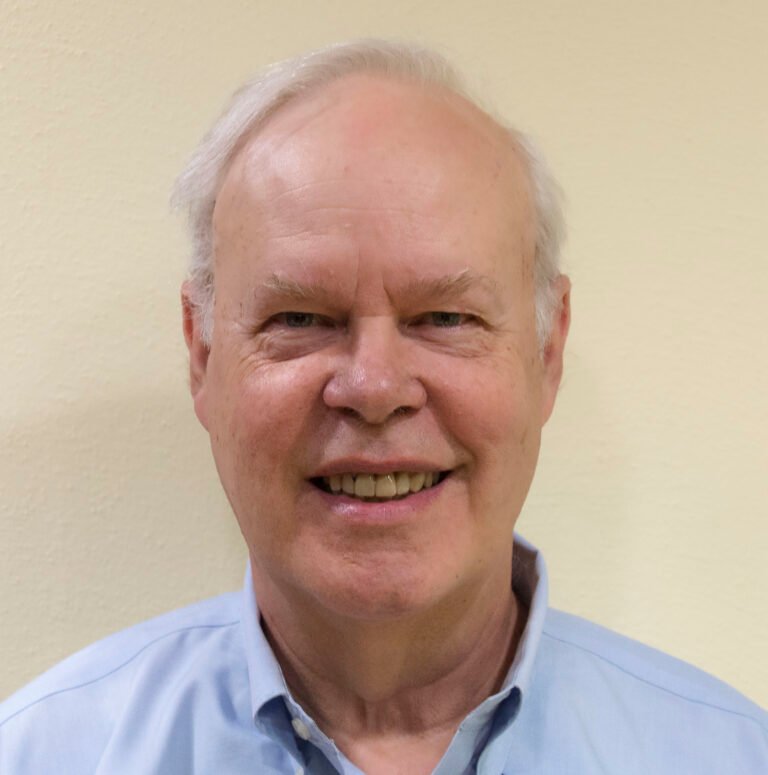
    James W. Cortada is affiliated with the Charles Babbage Institute at the University of Minnesota–Twin Cities. His work connects the history of computing, information systems, organizations, and technology with broader questions about knowledge, institutions, and public understanding. Within Plus Ultra Collective, his profile contributes to conversations about digital history, technological change, and the long histories of information infrastructure that shape research, education, and cultural memory.

  • Maddalena Bellavitis

    Maddalena Bellavitis is Researcher and Faculty Member at C2RMF and Università degli Studi di Udine. Doctor Europaeus (2007), after a Marie Curie Fellowship, I divide my museum and academic career between the Center for Research and Restoration of the Museums of France and the Università degli Studi di Udine. My research interests are extremely varied, ranging from the European art and culture of the Middle Ages to the Early Modern Colonialism. Their interests include intercultural and interreligious exchange, colonialism, empire, and decolonization, trade, economy, and global networks, science, knowledge, and technology transfer, cultural heritage and material culture, identity, race, and ethnicity in historical contexts, memory, myth, and public history. Within PUC, their.